



Signs of Worn Trigger Components You Should Never Ignore
Wear in trigger components starts with small inconsistencies in pull and reset. As contact surfaces degrade, these changes affect timing, resistance, and control, eventually leading to reset failure or visible mechanical damage.
Over time, repeated cycling causes gradual wear on internal contact surfaces. These changes usually appear as subtle differences in feel before any visible damage shows. Many shooters first notice this through variations in pull weight, reset behavior, or break consistency during regular use. That is often when signs of worn trigger components become easier to recognize. Ignoring these early indicators can lead to reduced performance or mechanical issues. Therefore, understanding how these changes develop helps you catch problems early and maintain consistent function. Using reliable firearm parts and accessories also plays a role in long-term trigger performance and upkeep.
Inconsistent Trigger Pull Weight Changes
A trigger that feels inconsistent between pulls is a common sign of internal wear. You may notice variation in pull resistance during repeated use, especially during longer range sessions or repeated dry fire cycles. In some cases, the trigger feels lighter on one pull and heavier on the next.
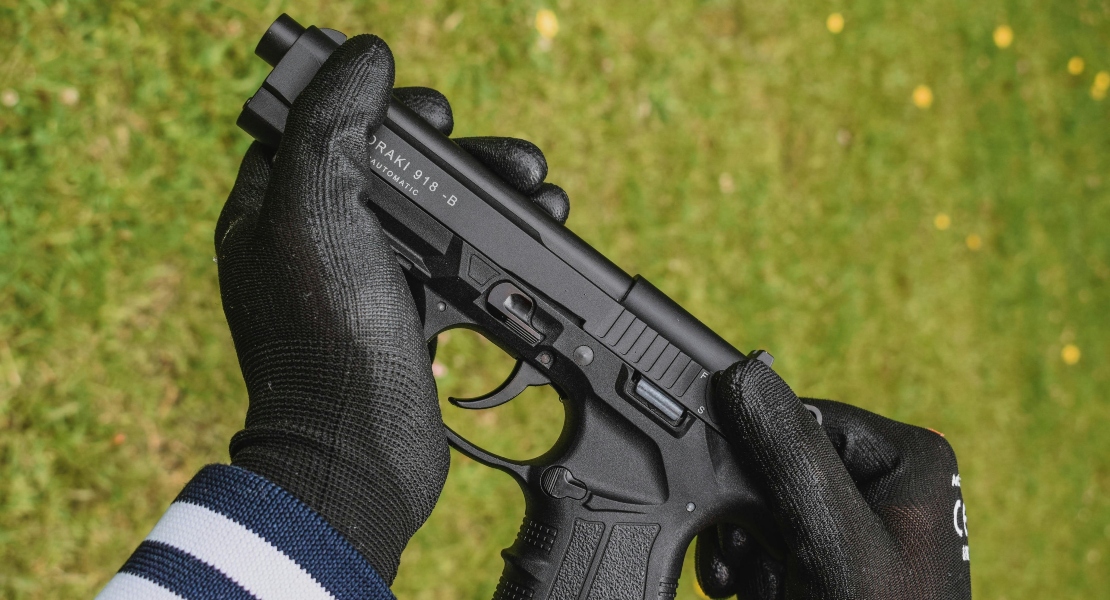
If the trigger feels different from shot to shot, internal surfaces may be wearing unevenly, which changes how force is applied during each pull. Wear on the sear contact points can make resistance less consistent and reduce overall predictability. As a result, the trigger no longer delivers the same feel from one cycle to the next. With a properly functioning milspec trigger, those shifts in engagement and pull behavior are usually easier to detect.
Rough Or Gritty Trigger Movement Sensations
A rough or gritty trigger pull often points to friction inside the mechanism. You may feel extra resistance during movement, or the trigger may seem to grind or scrape internally. Debris buildup and worn contact surfaces can interrupt smooth trigger travel, making the pull feel uneven before the break.
Unstable Or Delayed Trigger Break Behavior
A delayed or inconsistent break can point to worn engagement surfaces. The trigger may require more travel before firing, or the break point may no longer feel consistent during repeated use. That change makes release timing harder to predict and can affect control. If the trigger creeps further than usual before release, wear along the sear edges may be altering how the parts engage. Learning more about trigger creep and reset length can help explain how these small changes affect overall trigger behavior.
Weak Or Unreliable Reset Response
A weak or unclear reset affects follow-up shots and control, particularly when shooting at a faster pace. You may notice a reduced tactile or audible reset. In some cases, the reset distance becomes longer or inconsistent. As a result, it delays the next shot and disrupts shooting rhythm.
A reliable reset should feel consistent every time. When it becomes unclear, it may indicate internal wear or fatigue.
Failure To Return to Reset Position
Failure to reset is a clear sign of a serious internal issue. The trigger may not return fully to its forward position. In other cases, reset may occur slowly or inconsistently after cycling. Some users may even need to assist the trigger manually.
This issue often develops over time with extended use. It may also result from spring fatigue or worn contact points. When reset problems begin affecting overall trigger function, reviewing the AR15 fire control group can help put those related components into context.
Visible Degradation on Trigger Parts
Visible wear on internal parts can confirm mechanical degradation. During inspection, look for smoothing or rounding on sear surfaces. Also, check contact points for unusual polishing or uneven wear patterns. These patterns show where friction has altered the original surface shape.
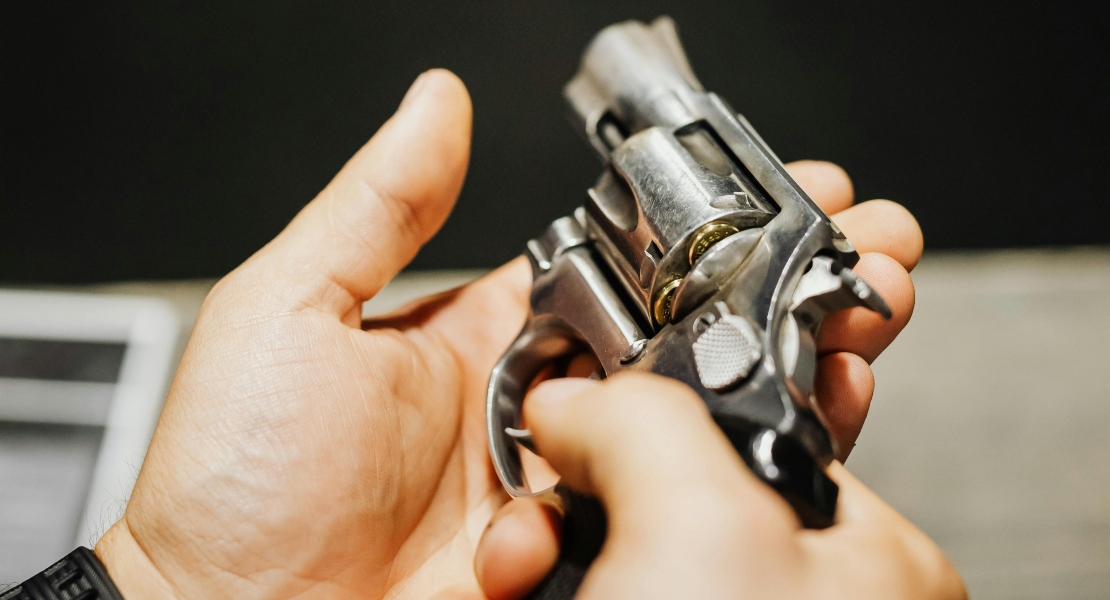
Unusual shine or edge rounding often confirms ongoing wear at key contact points. Visible changes like these should prompt a closer inspection, since they can help explain shifts in pull, break, or reset behavior. When worn components begin to affect function, compatible super safety parts can help support more reliable performance.
Shifting Trigger Feel Over Time
Any noticeable shift in trigger feel should be taken seriously. Comparing current behavior with previous sessions can help reveal early wear before it becomes visible on the parts themselves. Some issues develop gradually, while others become noticeable after extended use. Understanding how firearm triggers work also helps explain what may be affecting pull, reset, or break consistency.
What Leads to Trigger Component Degradation
Trigger wear develops through repeated mechanical stress and friction. High round counts increase contact fatigue between surfaces. Additionally, debris buildup can accelerate wear patterns. Lack of firearm lubrication also increases resistance and reduces smooth movement.
Environmental factors and maintenance habits both influence wear rate. Over time, these factors contribute to reduced performance and reliability.
Quick Trigger Inspection Checklist
A simple checklist helps identify signs of worn trigger components quickly.
- Check for consistent pull weight across multiple cycles
- Feel for smooth, uninterrupted trigger movement
- Observe whether the break point stays consistent
- Test reset strength and how clearly it returns
- Inspect internal parts for visible wear or polishing
- Compare the current trigger feel with the past use
This quick inspection process helps detect early issues before they develop further. Regular checks make it easier to catch changes in pull, break, or reset behavior before they turn into more serious performance problems.
Ignoring Early Signs of Worn Trigger Components
Most early trigger wear is felt long before it becomes visible during inspection. That’s why ignoring early warning signs can lead to more serious performance problems. Many users continue using a firearm despite noticeable changes. Others assume an inconsistent feel is normal wear behavior. Some delay inspection or routine maintenance unnecessarily. Overlooking small changes increases the risk of larger mechanical issues.
Why Early Detection Matters
Recognizing signs of worn trigger components is essential for maintaining consistent performance and safe operation. Changes in pull weight, reset strength, or break behavior often indicate early internal wear. Identifying these signals early helps prevent reliability issues and supports long-term function. Regular inspection and attention to trigger feel ensure better mechanical consistency. Small changes often develop into larger mechanical problems over time. Staying proactive with maintenance helps preserve control, accuracy, and overall reliability.
FAQs
How do you know if a trigger is worn?
You can identify wear through inconsistent pull, rough movement, or changes in reset and break behavior. These issues often become more noticeable during repeated use or when compared to earlier performance.
What are trigger reset issues symptoms?
Symptoms include weak reset feedback, delayed return, or inconsistent reset position. In some cases, the trigger may not reset fully, which affects follow-up shots and control.
What causes trigger wear in firearms?
Trigger wear is caused by friction on internal contact surfaces, repeated cycling, debris buildup, and lack of proper maintenance. Over time, these factors can affect pull weight, reset response, and break consistency.
When should you replace trigger components?
Replace components when pull, reset, or break becomes inconsistent or when visible wear appears on contact surfaces. Delaying replacement may lead to further mechanical issues.