



Gun Safe Humidity Control Tips to Help Prevent Moisture Damage
Gun safe humidity control keeps moisture levels stable between 40% and 50% to prevent rust and material damage. Even sealed safes can trap humid air, which leads to condensation over time. Using dehumidifiers, monitoring conditions, and avoiding moisture traps helps maintain a dry and stable environment inside the safe.
Firearms stored in safes still face moisture risks without proper care. Most owners assume a safe solves moisture problems, but in many cases, it creates a closed environment where humidity builds up faster. Even tightly sealed safes can trap humidity inside. As a result, corrosion may develop over time. That is why gun safe humidity control must be an active process. You cannot rely on storage alone. Instead, you must monitor and manage moisture consistently. A gun safe protects against access, but without proper control, it can quietly increase moisture risk.
Why Moisture Builds Inside Gun Safes
Humidity builds up due to trapped air, temperature shifts, and poor ventilation. Every time you open your safe, new air enters. That air often carries moisture. When temperatures drop, condensation forms inside. This often happens overnight or during seasonal changes, when temperature shifts are not immediately noticeable.
Moisture does not only come from the air. This matters for firearms as well as other firearm-related components connected to the super safety shop. Stored items can also introduce hidden moisture. For instance, gun cases, clothing, or even cardboard boxes may hold humidity. Over time, sealed environments trap this moisture instead of releasing it.
Warm air holds more moisture than cold air, so when temperatures fluctuate, condensation becomes inevitable. In a sealed safe, this moisture does not circulate, which allows even small amounts to build up over time.
Ideal Humidity Range for Firearm Storage
Maintaining a stable humidity range protects firearms from corrosion. Experts recommend keeping levels between 40% and 50%. This range prevents rust while avoiding overly dry conditions.
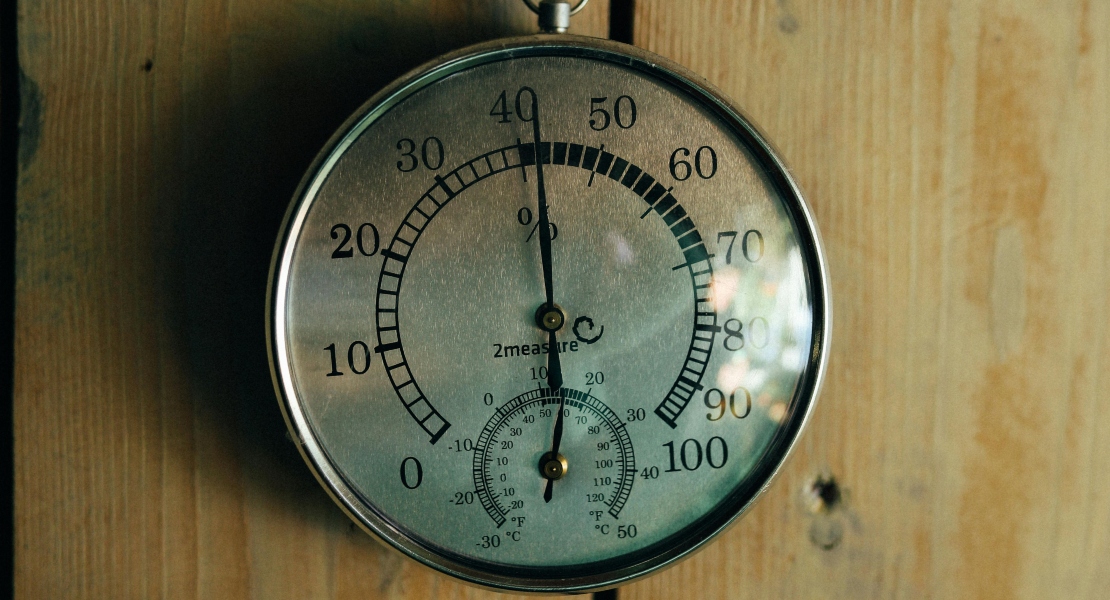
High humidity causes metal surfaces to oxidize. Consequently, rust can form on barrels, triggers, and internal parts. On the other hand, very low humidity may dry out wooden stocks and seals.
Consistency matters more than exact numbers. A stable 48% is safer than constant swings between 35% and 60%, even if both fall within acceptable ranges. Sudden fluctuations create stress on materials. Therefore, always aim for stability.
In practice, early signs are easy to miss. If you notice fogging or rust, your humidity is likely too high. Learning what causes firearm wear can also help you understand long-term damage factors.
Using Dehumidifiers for Better Control
Dehumidifiers actively remove moisture from the air. They are one of the most effective solutions available. A reliable gun safe dehumidifier can maintain stable conditions daily.
There are several options to consider:
- Electric dehumidifier rods that gently heat the air
- Silica gel packs that absorb excess moisture
- Rechargeable desiccant units for reusable control
- Compact moisture absorbers for small safes
Placement matters as well. Position devices near the bottom or center of the safe so dry air spreads evenly. If you are working through a rifle break-in period, consistent humidity control becomes even more important.
Mistakes That Increase Moisture Risk
Certain habits can trap moisture without you realizing it. Over time, these mistakes lead to corrosion and long-term damage.
Common issues include:
- Storing firearms in foam-lined cases
- Placing damp items inside the safe
- Overcrowding the interior space
- Ignoring internal moisture sources
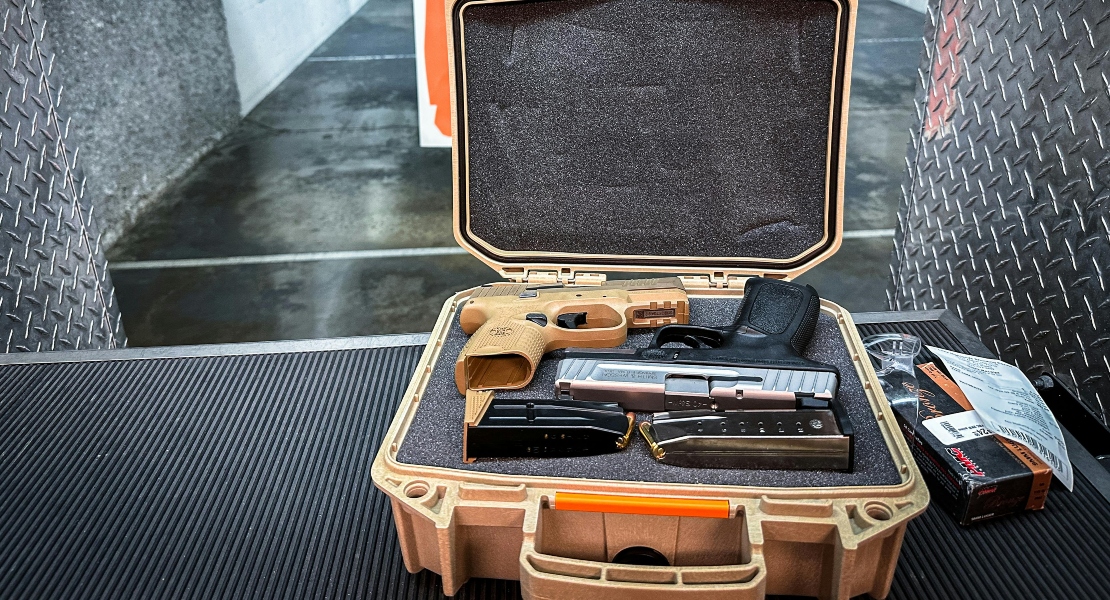
Foam and fabric materials retain moisture easily, which creates a humid microenvironment inside the safe. Overcrowding also blocks airflow, which worsens the issue.
Additionally, musty odors often indicate trapped moisture. If you notice this smell, act immediately.
Many of these issues come from items placed inside the safe, not the safe itself. Storing firearms in foam-lined cases increases moisture risk, especially when using soft storage options, as explained in hard case vs soft case for guns.
Whether you store full firearms or parts like an MP5K parts kit, controlling these factors helps maintain a dry environment.
Monitoring Humidity Levels Regularly
Tracking humidity ensures you catch problems early. Without monitoring, moisture buildup often goes unnoticed.
Use a hygrometer to measure humidity inside the safe. Digital models provide more accurate readings. However, analog versions still work well for basic monitoring.
Check levels at least once a week. If readings rise, adjust your dehumidification methods immediately.
If you store smaller components like TX22 parts, maintaining proper humidity becomes even more critical due to their size and material sensitivity.
Safe Placement and Environmental Impact
The location of your safe directly affects humidity levels. Environmental conditions outside influence the inside. Therefore, avoid placing safes in:
- Basements with high moisture levels
- Garages with temperature fluctuations
- Areas near exterior walls
Instead, choose a climate-controlled room. Even a small difference in room conditions can significantly affect humidity inside a sealed safe. Additionally, keep the safe slightly elevated from the floor.
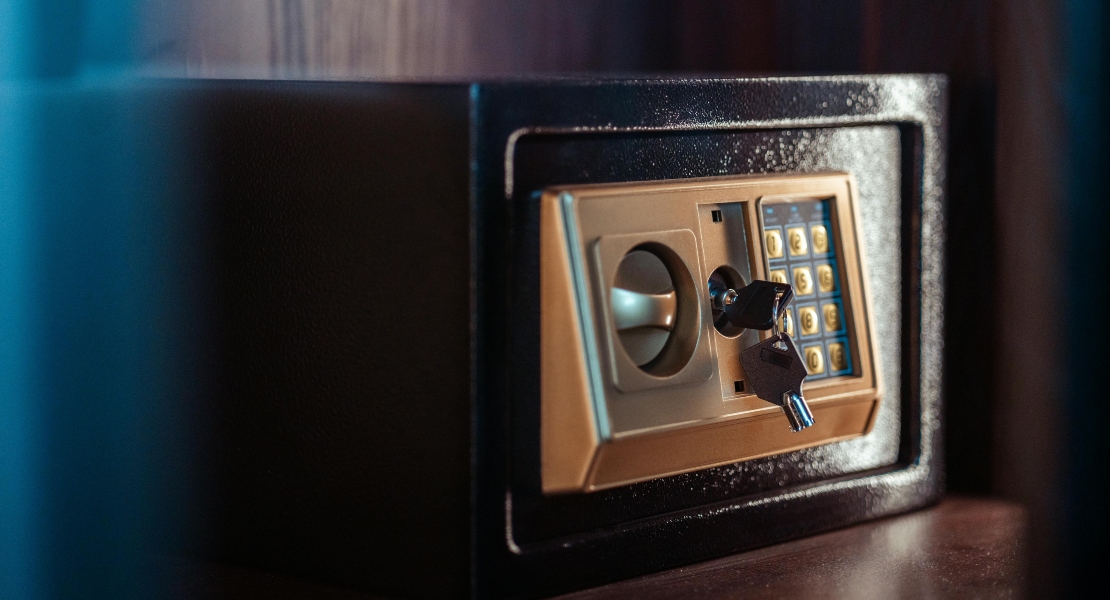
Seasonal changes also affect humidity levels. Adjust your setup as conditions change to maintain stability.
Protecting Firearms with Consistent Care
Gun safe humidity control requires consistent attention, not just storage. A safe protects against access, but it does not remove moisture risk on its own. Without proper control, humidity can build up in a closed environment and lead to long-term damage. Using dehumidifiers, monitoring levels, and avoiding moisture traps creates a more stable internal environment. Small habits, such as checking humidity and removing damp items, make a noticeable difference over time. When conditions remain steady, firearms stay protected and reliable.
FAQ
What is the ideal humidity level for a gun safe?
The recommended range is 40% to 50%. This level prevents rust while protecting materials.
Do gun safes need a dehumidifier?
Yes, most safes benefit from one. A dehumidifier helps maintain stable internal conditions and prevents moisture buildup over time.
How do you keep moisture out of a gun safe?
Use dehumidifiers, monitor humidity, avoid damp items, and ensure proper placement.
Can humidity damage firearms in a safe?
Yes, excessive moisture leads to rust, corrosion, and gradual damage, even when the firearm is not in use.