



AR-15 vs MP5: Design Philosophy and Use-Case Comparison
The AR-15 vs MP5 comparison comes down to purpose. The AR-15 focuses on modular rifle performance and range, while the MP5 emphasizes compact handling and smoother recoil through its roller-delayed system.
The AR-15 vs MP5 comparison often creates confusion because both platforms are widely recognized. However, they were designed with very different priorities. The AR-15 focuses on rifle-caliber performance and modularity. In contrast, the MP5 emphasizes compact handling and smooth operation. Many shooters compare them because of their strong reputations. Still, they solve different problems. Treating them as direct substitutes often leads to mismatched expectations, especially when users expect rifle-level range from the MP5 or compact handling from the AR-15. Understanding how systems like firearm super safety interact with each platform also highlights their design intent.
Why the AR-15 and MP5 Were Designed with Different Priorities
The AR-15 vs MP5 design differences begin with purpose. Each platform answers a different question about performance.
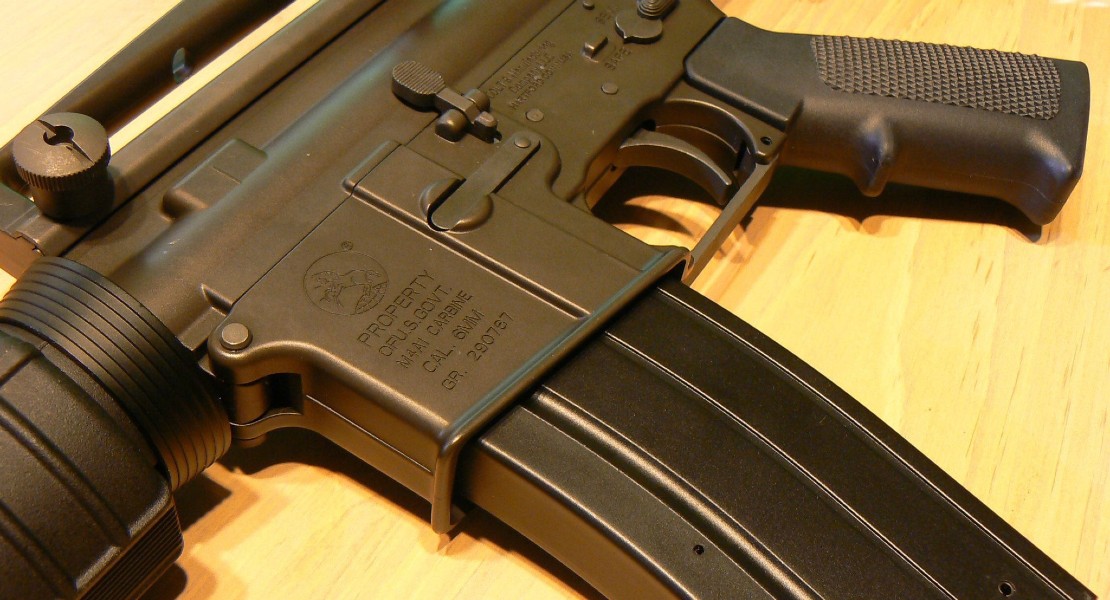
The AR-15 centers on:
- Lightweight rifle capability
- Modularity and adaptability
- Extended range performance
The MP5 focuses on:
- Compact size
- Smooth cycling
- Controllable pistol-caliber shooting
As a result, each platform reflects a unique philosophy. The AR-15 aims for flexibility across roles. Meanwhile, the MP5 prioritizes refined handling in a compact format.
This difference shapes everything else. It influences recoil, size, and user expectations. Therefore, understanding the purpose helps clarify the entire MP5 vs AR-15 comparison.
Common Misunderstandings When Comparing the AR-15 and MP5
One of the most common mistakes is expecting both platforms to serve the same role. Some users approach the MP5 expecting rifle-level range and precision, which often leads to disappointment. Others expect the AR-15 to feel as smooth and compact as the MP5, especially in closer-range shooting. These mismatched expectations usually come from focusing on popularity instead of purpose. Once each platform is judged within its intended role, the differences become easier to understand.
Cartridge Class Changes the Entire Conversation
The AR-15 vs MP5 cartridge and handling comparison starts with ammunition. The AR-15 typically uses rifle calibers. The MP5 uses 9mm pistol ammunition.
This difference changes:
- Effective range
- Recoil behavior
- Shooting rhythm
- Practical use
For example, a shooter transitioning from an AR-15 expects longer-range precision. However, when switching to an MP5, expectations shift toward closer-range control.
This is not just about shape or size. Instead, it is about the ballistic category. The cartridge defines how the platform behaves, including how far it remains effective, how it transfers energy, and how quickly a shooter can regain control between shots.
How the AR-15 Prioritizes Modularity and Role Flexibility
The AR-15 stands out for adaptability. It is one of the most modular firearm platforms available today. This flexibility explains why the AR-15 became America’s most popular rifle.
Users can easily change:
- Barrel lengths
- Optics
- Stocks and grips
- Accessories
Because of this, the AR-15 can serve many purposes. For instance, one setup may focus on precision shooting. Another may prioritize lightweight handling.
Additionally, understanding AR-15 upper vs lower components helps explain this modularity.
This design philosophy makes the AR-15 highly versatile. It adapts to the user rather than forcing a fixed configuration.
How the MP5 Prioritizes Compact Handling and Smooth Operation
The MP5 takes a different approach. It emphasizes handling feel rather than modular flexibility.
The platform is known for:
- Compact proportions
- Balanced weight distribution
- Smooth roller-delayed cycling
This system creates a distinct shooting experience. Many shooters describe it as fluid and controlled, especially during repeated shots where the platform maintains a steady rhythm instead of sharp movement. Learning more through MP5 basics helps explain this reputation.
For example, when firing an MP5, the recoil feels softer and more consistent. The action cycles smoothly, which improves control during repeated shots.
Unlike the AR-15, the MP5 is less about customization. Instead, it delivers a refined, consistent platform experience.
Ergonomics and Manual of Operation: Why They Feel So Different in the Hands
The question of what the difference is between an AR-15 and an MP5 becomes clearer when handling both platforms.
The AR-15 feels like a configurable rifle system. It offers:
- Familiar control layout
- Straight-line design
- Broad accessory compatibility
In contrast, the MP5 feels more compact and self-contained. Its controls and balance create a different rhythm.
For example, the AR-15 rifle often allows quicker access to controls due to its layout. Meanwhile, the MP5 emphasizes stability and smooth manipulation.
Additionally, shooter familiarity plays an important role in perceived ergonomics. Many users adapt quickly to the AR-15 due to its widespread use and standardized layout. On the other hand, the MP5 may require a short adjustment period because of its unique control placement.
However, once learned, its handling often feels intuitive and controlled, particularly during drills where consistent movement matters more than raw speed. As a result, preference usually comes down to comfort, repetition, and how naturally each platform fits the user’s shooting style.
Recoil Character and Shooting Feel
The AR-15 vs MP5 recoil comparison highlights another key difference. Both platforms are controllable, but they feel different.
The AR-15 produces:
- A sharper recoil impulse
- A lightweight, direct feel
The MP5 produces:
- A smoother recoil cycle
- A softer, rolling sensation
This difference comes from both the cartridge and the action type. As a result, many shooters notice the contrast immediately, especially when transitioning between platforms during the same session.
When asking, why does an MP5 feel different than an AR-15, the answer lies in mechanics. The roller-delayed system changes how energy transfers through the platform.
However, individual setups still matter, since weight distribution, attachments, and shooting stance can noticeably change how recoil is perceived. Understanding how to handle recoil improves control, accuracy, and consistency with every shot. It also helps you stay on target during follow-up shots and builds overall confidence at the range.
Where Each Platform Makes More Sense in General Civilian Use
The question of which platform is easier to handle at the range depends on priorities.
The AR-15 may suit users who value:
- Modularity
- Rifle-range capability
- Custom setups
The MP5 may appeal to those who prefer:
- Compact size
- Smooth recoil
- Simple handling
Additionally, users exploring upgrades like AR15 super safety often focus on platform flexibility. Meanwhile, those interested in MP5 super safety may prioritize handling characteristics.
Ultimately, both platforms serve recreational shooting, training, and collecting interests. The choice depends on what the user values most, whether that is range and adaptability or compact control and smoother handling.
Why This Comparison Is Really About Purpose, Not Popularity
The AR-15 vs MP5 discussion often becomes about popularity. However, that misses the point. Each platform earned its reputation for different reasons. The AR-15 gained attention for its flexibility and performance. The MP5 became known for its smooth handling and compact design.
Therefore, the smarter comparison focuses on purpose. Once you understand design intent, the differences become clear. For example, some shooters prioritize modularity and long-range capability. In contrast, others value compact size and smoother recoil. These preferences shape how each platform is experienced at the range.
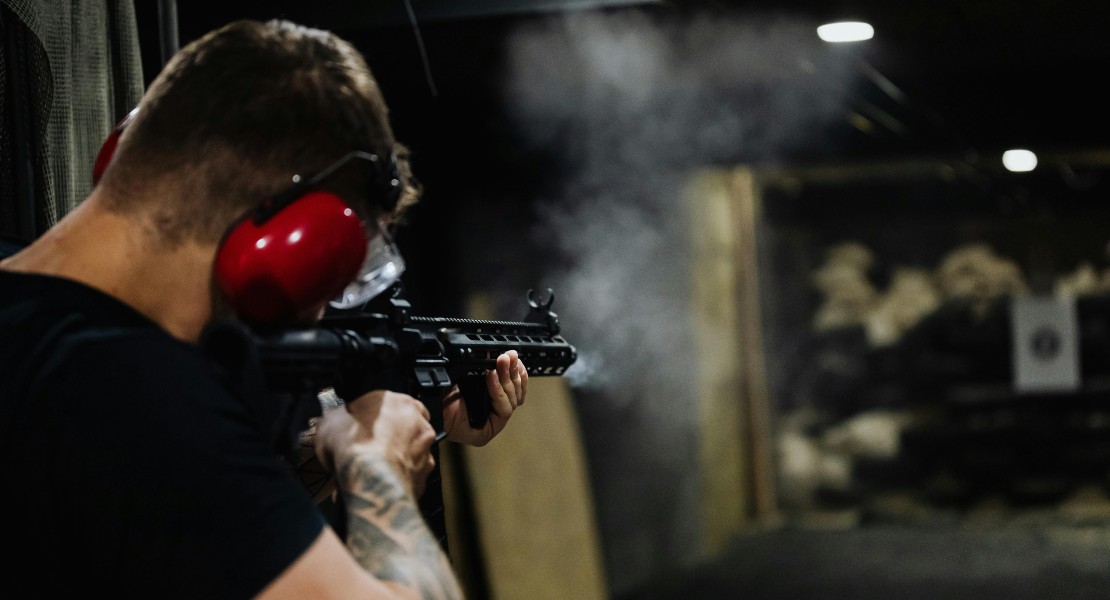
Additionally, trends and online discussions often blur these distinctions. However, real-world use highlights practical differences quickly, especially when users spend time with both platforms under the same conditions.
AR-15 vs MP5: Choosing Based on Purpose
The AR-15 vs MP5 comparison shows two platforms built around different goals. The AR-15 emphasizes modularity, flexibility, and rifle-caliber performance. The MP5 focuses on compact size, smooth operation, and pistol-caliber control. Neither replaces the other because they were designed for different purposes. Once those design priorities are clear, the decision becomes easier. The better choice depends on what matters more to the user: adaptability and range, or compact control and consistency.
FAQs
What is the biggest design difference between the AR-15 and MP5?
The AR-15 is built as a modular rifle platform designed for range and adaptability. In contrast, the MP5 focuses on compact handling and smooth operation using a roller-delayed system. This difference shapes how each platform performs and feels in use.
Why does the MP5 feel different than an AR-15?
The MP5 uses a roller-delayed system that spreads recoil over a longer cycle, which creates a smoother shooting feel. The AR-15 uses a gas-operated system with a sharper impulse, so the difference comes from how each platform manages energy during firing.
Is the AR-15 more modular than the MP5?
Yes, the AR-15 is significantly more modular. Users can change major components like the upper receiver, barrel, and accessories with ease. The MP5 offers fewer configuration options and focuses more on consistency than adaptability.
Why do people still compare the AR-15 and MP5 if they serve different roles?
People compare them because both platforms are widely recognized and often used in similar shooting contexts. However, the comparison usually reflects curiosity rather than direct equivalence, since each platform was designed for a different purpose.