



How Cold War Design Shaped the AK Platform
Cold War military doctrine strongly influenced the AK platform’s engineering priorities. Designers focused on mass production, reliability, simple training, and logistical efficiency. These design decisions reflected geopolitical pressure and industrial limits. As a result, the rifle became a strategic tool shaped by mid-20th-century warfare conditions.
The AK platform emerged during a period of intense geopolitical tension. Early Cold War strategy forced military planners to rethink infantry equipment. As a result, engineering priorities changed rapidly. Designers needed rifles that were simple, durable, and easy to produce. Because of this, the Cold War design rifle reflected strategic planning rather than pure engineering preference. Even modern upgrades and customization often connect back to this philosophy. Today, enthusiasts exploring firearm parts and accessories still interact with design choices created during the early Cold War era.
Mass Mobilization and Simplified Manufacturing
Cold War mass mobilization strategy demanded a rifle that could be produced quickly, at scale, and with minimal precision machining.
Military planners expected large conscript armies. Therefore, weapons factories needed to produce rifles rapidly. Designers responded by simplifying the manufacturing process.
Stamped receivers became a key development. They reduced machining time significantly when compared to earlier milled designs. Factories could produce more rifles with fewer specialized machines.
Several production advantages followed:
- Reduced machining requirements
- Faster assembly line throughput
- Easier component interchangeability
- Lower manufacturing costs
Stamped receivers significantly reduced machining time compared to milled versions. This allowed factories to equip large forces faster.
However, this approach created trade-offs. Precision and cosmetic finish often came second to speed and durability. Yet these compromises aligned perfectly with Cold War weapons development priorities.
This philosophy still shapes modern accessories such as the AK super safety STL, which must integrate with the AK’s original production architecture.
Harsh Environments and Reliability Prioritization
Cold War operational planning required a rifle that functioned in mud, sand, extreme cold, and limited maintenance conditions.
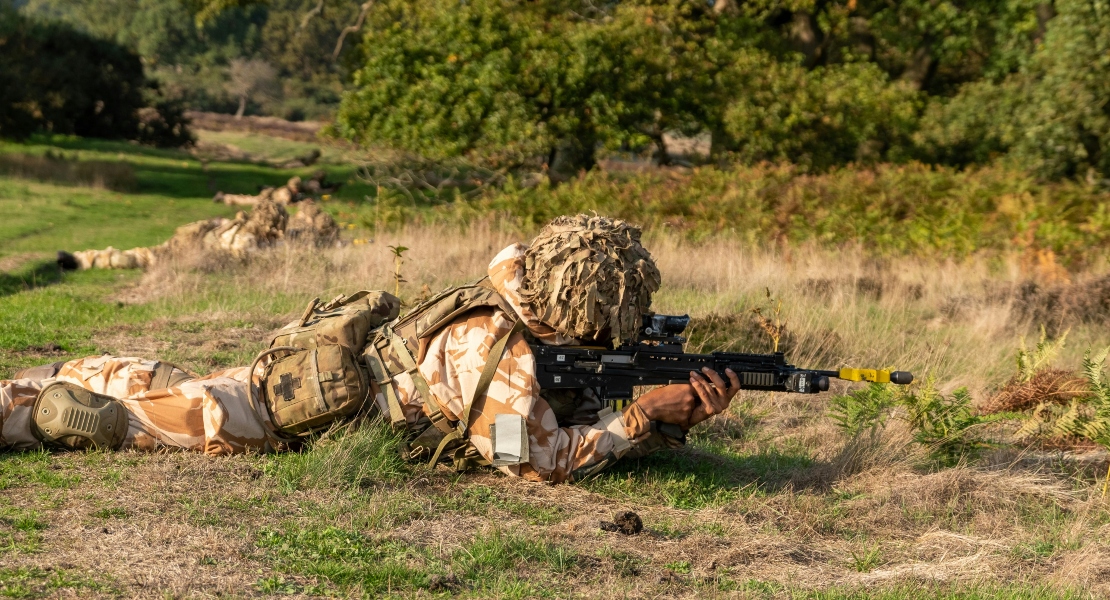
Mid-20th-century battlefields exposed rifles to mud, sand, extreme cold, and limited maintenance. Soldiers often lacked access to cleaning equipment or armorer support. Therefore, reliability became the highest priority.
The AK platform addressed this through several mechanical choices:
- Generous internal tolerances
- Long-stroke gas piston system
- Loose clearances that allow debris movement
- Extremely simple field stripping procedure
These design elements allow the rifle to keep functioning even when contaminated. Dirt or carbon buildup rarely stops the action.
Field troubleshooting also remains straightforward. For example, failure to cycle often indicates excessive fouling in the gas system. However, the long-stroke piston typically clears debris during operation.
Modern upgrades, including components like the AK retainer plate, still respect these original reliability principles.
Ultimately, reliability outweighed mechanical refinement in the AK platform’s Cold War design philosophy.
Infantry Doctrine and Automatic Fire Control
Cold War infantry doctrine emphasized controllable automatic fire at moderate engagement distances.
Military planners expected most combat to occur within a few hundred meters. Therefore, rifles needed controllable recoil and sustained fire capability, and designers responded by adopting the intermediate cartridge concept.
This decision directly answered the question: why was the AK designed the way it was?
The intermediate cartridge offered several advantages:
- Reduced recoil during automatic fire
- Increased ammunition carrying capacity
- Effective engagement at typical combat distances
- Improved suppression capability
Select-fire capability became a central feature. Instead of precision shooting, doctrine focused on suppressive fire. This tactic allowed squads to control enemy movement and maintain battlefield momentum.
This concept later influenced the evolution from the AK-47 to the AK-74 platform. Discussions comparing AK-47 vs AK-74 often highlight this shift in recoil management and cartridge efficiency.
As a result, the rifle balanced firepower with logistical practicality.
Industrial Capacity and Material Constraints
Soviet industrial planning heavily influenced material choices and production techniques.
Factories had to operate across a massive territory. Therefore, weapon designs needed to function within varying industrial capabilities. Engineers prioritized materials that were easy to source and process.
Stamped steel became the dominant solution. It required less precision machining while remaining durable under combat stress.
Key manufacturing priorities included:
- Simplified machining processes
- Durable but inexpensive materials
- Minimal finishing requirements
- Standardized components across factories
This approach defined the broader AK manufacturing philosophy. The goal was scalable production rather than luxury-level refinement.
State-controlled factories could replicate the design with limited variation. As a result, production expanded rapidly across the Soviet Union and allied countries.
This industrial model explains why the platform appears in so many global variants today.
Training Simplicity and Conscript Armies
Cold War conscript systems required a rifle that could be taught, maintained, and operated with minimal training time.
Large armies often consisted of soldiers with limited technical experience. Therefore, weapon controls needed to remain simple and durable.
The AK platform achieved this through a straightforward layout. Most controls are large and mechanically robust.

Important design features include:
- Oversized safety lever
- Minimal adjustment mechanisms
- Simple iron sight system
- Straightforward field stripping
Field stripping requires only a few major component separations. Even inexperienced soldiers can disassemble the rifle quickly.
Because of this simplicity, troops achieved operational readiness faster. Maintenance errors also became less common.
For readers interested in platform variations, understanding the different types of AKs also reveals how this training philosophy influenced later models.
Logistical Efficiency and Ammunition Strategy
Cold War logistics favored ammunition that balanced lethality, recoil control, and transport efficiency.
Supplying millions of soldiers required careful planning. Ammunition weight and storage space mattered greatly during large deployments.
Intermediate cartridges solved several logistical challenges:
- Reduced cartridge weight
- Higher soldier ammunition loadout
- Lower recoil for automatic fire
- Simplified supply chain standardization
Later developments further refined this concept. The AK-74 introduced a lighter caliber that improved control and reduced ammunition weight.
This change allowed soldiers to carry more rounds without increasing the load burden.
As a result, sustained fire capability improved across infantry units.
Export Strategy and Political Influence
The AK platform’s design supported Cold War geopolitical strategy through ease of export and localized production.
Military aid became a powerful diplomatic tool. Therefore, weapon systems needed to function in diverse climates and industrial environments.
The AK design simplified international distribution.
Several factors enabled this:
- Straightforward licensing agreements
- Minimal tooling requirements
- Durable construction in harsh climates
- Simplified training across allied forces
These advantages allowed dozens of countries to produce local AK variants. Political influence often spread alongside these weapons systems. The rifle became both a military tool and a geopolitical instrument.
Durability Over Refinement – A Deliberate Trade-Off
Cold War priorities favored durability and function over fine mechanical refinement.
Engineers deliberately accepted looser tolerances in exchange for reliability. While this approach reduced precision consistency, it improved battlefield survivability.
Design decisions reflected several priorities:
- Functional reliability over aesthetic finish
- Tolerance for long-term wear
- Easy field repairs
- Continued operation despite contamination
These choices explain many modern performance discussions. For instance, debates about why is AK accuracy so inconsistent often trace back to these tolerance decisions.
Even so, the rifle performs exceptionally well within its intended combat role.
How Cold War Design Still Defines the AK Platform Today
Modern AK variants still reflect Cold War engineering priorities.
The long-stroke gas system remains central to the rifle’s operation. Durability also continues to guide most upgrades and modifications.
Civilian versions may add rails, optics, and ergonomic improvements. However, the core architecture rarely changes.
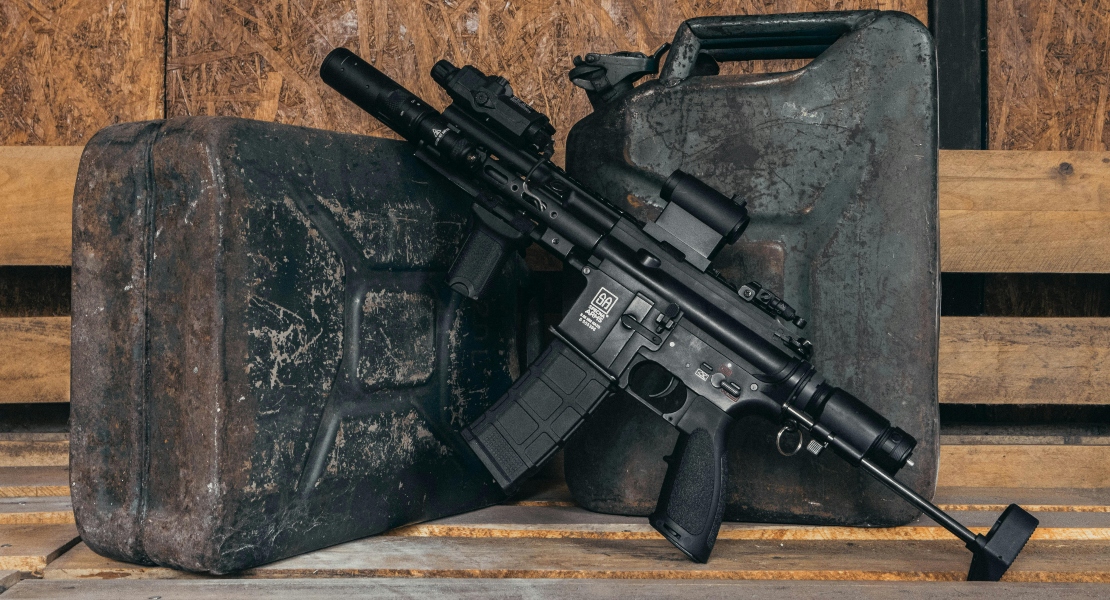
Many manufacturers still follow the same principles that shaped the original platform:
- Reliability over extreme precision
- Simple internal mechanics
- Durable construction
- Broad compatibility across variants
Because of this continuity, the AK platform remains recognizable worldwide.
Decades later, Cold War design principles still shape how the rifle operates, how it is produced, and why it continues to thrive across military and civilian markets.
Conclusion
The AK platform reflects the strategic realities of the Cold War era. Military planners needed rifles that could equip massive armies quickly and reliably. As a result, engineers focused on durability, simplified manufacturing, and minimal training requirements.
Industrial capacity strongly influenced mechanical architecture and material choices. At the same time, logistical planning shaped ammunition design and cartridge evolution. Political strategy also played a role, as export-friendly production allowed widespread international adoption.
These combined pressures produced one of the most recognizable rifle platforms in history. Even modern variants still carry the mechanical DNA of those early decisions. The AK platform remains a product of its geopolitical origin, shaped by the demands of mid-20th-century global conflict.
FAQs
Why was the AK platform designed for loose tolerances?
Loose tolerances improve reliability in dirty or harsh environments. Debris can move within the action without stopping the rifle’s cycling.
How did Cold War strategy influence AK reliability?
Military planners expected combat in extreme conditions. Therefore, engineers prioritized reliability over tight mechanical precision.
Why was the stamped receiver important?
Stamped receivers reduced machining time and allowed faster mass production across multiple factories.
Is the modern AK still based on Cold War design principles?
Yes. Most modern variants still use the long-stroke piston system and follow the same durability-focused design philosophy.