



Why Trigger Discipline Matters More Than You Think
Trigger discipline prevents negligent discharges, reinforces safe firearm handling, and builds mechanical control under stress. Proper trigger finger placement is not symbolic. It physically blocks unintended firing and supports responsible firearm operation during both training and defensive situations.
Safe firearm handling starts long before a shot breaks. One of the most overlooked safety principles is trigger discipline. Many shooters treat it as range etiquette instead of a real mechanical safeguard. However, most negligent discharges happen during administrative handling rather than active firing. Trigger placement reveals training quality and situational awareness. It also reflects how well someone understands firearm safety rules. A disciplined shooter controls their trigger finger even when they are not thinking about it.
What Trigger Discipline Actually Means
Trigger discipline means keeping your finger completely off the trigger and indexed along the frame until you have made a conscious decision to fire. The finger stays high on the frame or receiver, well above the trigger guard. The pad of the finger never rests on the trigger until the shooter deliberately prepares to fire. This rule exists because partial contact still allows pressure. Even a small amount of rearward force can move the trigger.
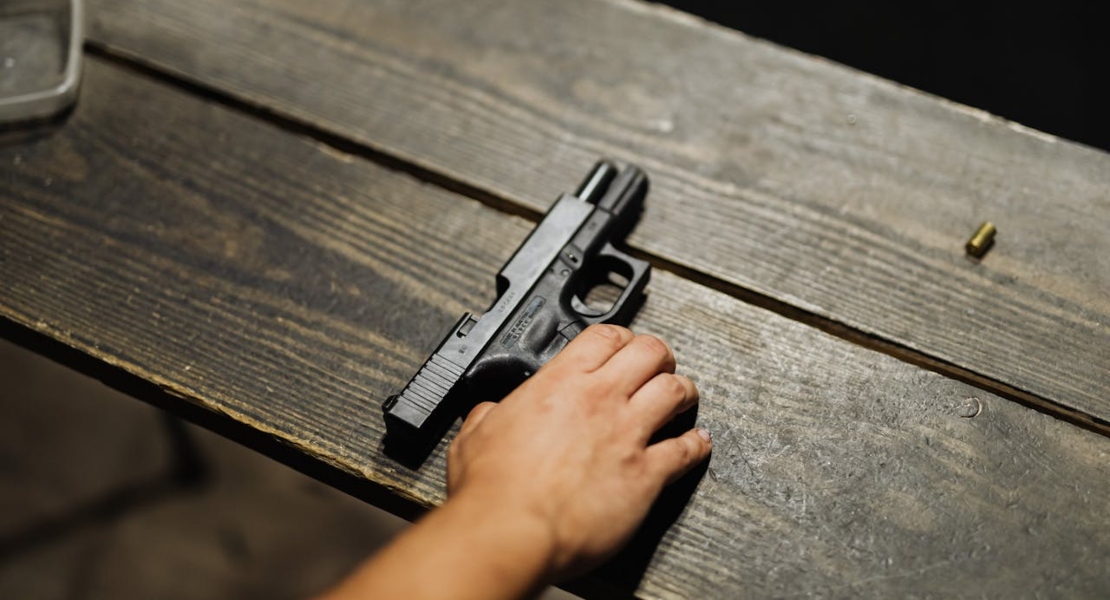
Key elements of correct indexing include:
- Finger placed high along the frame or receiver
- No contact with the trigger guard interior
- Trigger only touched during a confirmed firing decision
Some shooters mistakenly rest their finger lightly on the trigger during pauses. Others hook the trigger guard while moving. Both behaviors defeat the purpose of discipline.
The rule often appears in training as keep your finger off the trigger. That statement is not just a safety slogan. It prevents involuntary movement from transferring pressure into the trigger mechanism. Trigger discipline applies during:
- Loading and unloading
- Malfunction clearing
- Movement between positions
- Communication with other shooters
Any time the firearm is not actively firing, the finger must remain indexed.
The Mechanical Reality — What Happens When a Trigger Moves
A trigger only needs minimal rearward movement to release stored mechanical energy and fire a round. Understanding how firearm triggers work explains why strict discipline exists. The trigger does not require much movement to release the sear. Once the sear disengages, the striker or hammer accelerates forward and ignites the primer.
Many firearms today have very short trigger travel distances. A few millimeters of movement can complete the firing cycle. Typical internal sequence:
- Trigger moves rearward
- Sear releases stored energy
- The hammer or striker accelerates forward
- Firing pin strikes primer
The entire process takes milliseconds.
Modern firearms also use lighter pull weights than older designs. A tuned milspec trigger may break around 5.5 pounds. Some competition triggers break far lighter.
Even slight pressure from muscle tension can move the trigger enough to release the sear. That is why shooters must treat the trigger as the final step in the firing process. Most negligent discharges occur during non-firing tasks such as administrative handling or repositioning equipment.
Stress Response and Involuntary Muscle Contraction
Under stress, the human hand tightens involuntarily, increasing the risk of unintended trigger movement. The body reacts strongly to sudden stimuli. Loud noise, loss of balance, or unexpected movement can trigger the startle reflex. When that happens, the hand often closes automatically. This involuntary reaction is called the sympathetic grip response.
Several factors influence it:
- Startle response to sudden sound or motion
- Loss of balance while holding equipment
- Muscle tension during stressful situations
When the finger rests on the trigger, these reactions can cause rearward pressure without conscious intent. Fine motor control also degrades under stress. The brain prioritizes gross movement over delicate finger control.
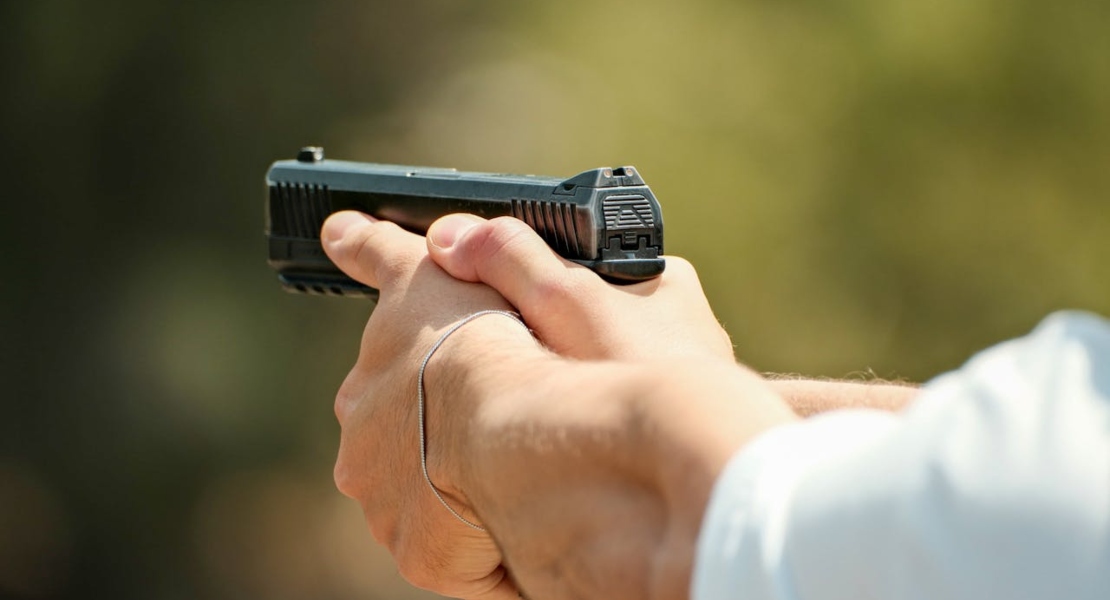
Indexed trigger placement isolates the finger from this reflex. The trigger cannot move if the finger never touches it. This simple position dramatically reduces risk during stressful movement or unexpected events.
Why Trigger Discipline Prevents Negligent Discharges
Proper trigger discipline creates a physical barrier between handling and firing. A firearm cannot discharge without the trigger moving. That mechanical fact forms the foundation of negligent discharge prevention.
Indexed trigger placement separates routine handling from firing actions. The shooter must consciously move the finger before the trigger can travel.
Common risk moments include:
- Administrative loading or unloading
- Moving between shooting positions
- Reholstering a handgun
- Communicating with instructors or teammates
During these tasks, the firearm remains in hand but should not fire. Trigger discipline ensures that normal movement cannot translate into trigger pressure.
This rule becomes even more important when working with upgraded systems. Shooters who explore firearm parts and accessories sometimes install lighter triggers or modified components. These improvements enhance performance but reduce margin for error. The decision to fire must always happen before the finger touches the trigger.
Common Situations Where Trigger Discipline Fails
Trigger discipline most often fails during routine tasks, not during deliberate shooting. Many shooters assume negligent discharges occur during active firing. In reality, most incidents happen after the shooting stops.
Typical failure moments include:
- Clearing a malfunction
- Showing a firearm to another person
- Transitioning between targets
- Reholstering after a drill
During these tasks, attention shifts away from the trigger. The shooter may focus on the malfunction or the next instruction.
Another common mistake involves misunderstanding trigger mechanics. Shooters sometimes underestimate how sensitive modern triggers are. Learning what an active reset trigger does helps explain how quickly a trigger can reset and fire again.
A reset system shortens trigger travel so the shooter can fire faster. However, that same short travel increases the chance of unintended movement. Most reported incidents occur after the firing sequence has already ended.
The Role of Trigger Discipline in Professional Training
Professional training emphasizes trigger discipline because it reduces risk before mechanical safeties are involved. Military and law enforcement instructors teach it as the first safety layer. Mechanical safeties serve as backup systems.
Human behavior must come first. Training programs reinforce discipline through constant repetition. Range officers also watch trigger placement closely during drills.
Professional instruction often highlights these principles:
- Finger indexed until sights align on the target
- Finger removed during scanning or movement
- Immediate correction when discipline breaks
- Mechanical systems cannot replace this habit.
Firearms operate through precise internal relationships. Small variations in machining can influence how components interact. Understanding firearm tolerances helps shooters appreciate why consistent handling matters.
Tolerance stacking may change trigger feel slightly across platforms. Finger discipline prevents those differences from creating safety issues.
Trigger Discipline and Modern Firearms (Striker-Fired, Single-Action, etc.)
Firearm design has evolved significantly in recent decades. Many modern pistols use striker-fired systems with short reset distances. These systems allow faster follow-up shots but reduce the amount of trigger movement required.
Single-action pistols often have even lighter trigger pulls. Competition shooters sometimes modify triggers to improve speed and precision. Those upgrades make discipline more important, not less.
A few common firearm myths suggest that modern safeties eliminate the need for strict trigger control. That belief is incorrect. Mechanical safeties cannot override a deliberate trigger press. Once the trigger moves far enough, the firearm will fire. Trigger discipline remains the primary safety mechanism regardless of firearm design.
Building Trigger Discipline Into Habit
Trigger discipline must become automatic to remain effective under stress. A shooter cannot rely on conscious thought during high-pressure situations. Habit must replace deliberate decision-making. Building that habit requires repetition and feedback.
Useful training methods include:
- Dry practice with strict finger indexing
- Verbal reminders during drills
- Visual checks before movement
- Range exercises that reinforce trigger control
New shooters sometimes struggle with this skill early in training. However, consistency builds muscle memory quickly. Instructors often correct finger placement dozens of times during early sessions. That repetition creates automatic behavior.
Once the habit forms, the finger naturally returns to the index position whenever the shooter stops firing. This automatic movement forms the foundation of responsible firearm handling.
Why Trigger Discipline Matters More Than You Think
A firearm discharge always has consequences. Even a harmless accidental shot can cause legal trouble, property damage, or injury.
The trigger represents the final mechanical step before a round fires. Once pressure moves the trigger past the break point, the firing sequence becomes inevitable. Proper trigger discipline eliminates many preventable incidents. It also protects other people in shared environments such as ranges, competitions, and training facilities.
Most negligent discharges occur because a shooter touched the trigger before they intended to fire. The cause is rarely a complex mechanical failure. It is usually a simple lapse in discipline.
The Final Safety Rule That Prevents Most Mistakes
A trigger only needs minimal movement to fire a round. Every responsible shooter must treat trigger discipline as a constant rule, not a situational guideline. Training, repetition, and awareness build this habit over time. Once the habit forms, the finger naturally returns to the index position. The result is fewer preventable incidents and safer firearm environments for everyone.
FAQs
What is trigger discipline?
Trigger discipline means keeping your finger completely off the trigger until you intentionally decide to fire. Your finger should stay indexed along the frame or receiver during handling, movement, or communication. This habit prevents unintentional trigger movement.
Why is keeping your finger off the trigger important?
Keeping your finger off the trigger prevents involuntary pressure that could fire a round. Small movements, stress responses, or loss of balance can tighten your grip unexpectedly. Proper finger placement removes that risk.
When should your finger be on the trigger?
Your finger should only touch the trigger when your sights are on target, and you have decided to fire. Until that moment, the finger stays indexed along the frame. This rule applies during loading, movement, and administrative handling.
Can a firearm fire accidentally if your finger is on the trigger?
Yes, a firearm can discharge if pressure moves the trigger far enough to release the firing mechanism. Even a slight involuntary movement can apply enough force to activate the trigger. That is why strict trigger discipline is essential.