



Common Firearm Myths That New Gun Owners Believe
Common firearm myths involve oversimplified safety, defense, and maintenance beliefs that create risky handling and false confidence. This increases accident and legal risk because repetition and confirmation bias replace context-based judgment. Responsible ownership requires consistent habits and verified guidance over equipment assumptions and viral advice.
Buying your first firearm often comes with a lot of opinions attached. Many new owners inherit beliefs before they inherit facts, and those beliefs usually come from social media clips, range stories, or forum posts that sound confident but lack context. Over time, these ideas turn into common firearm myths that shape behavior in ways people don’t even notice. Some myths create fear. Others create false confidence. Both lead to bad habits, wasted money, or unsafe assumptions. This article isn’t about embarrassment or calling anyone out. It’s about practical learning. We’ll break down where these myths come from, why they matter, and what responsible ownership actually looks like in everyday life.
Why Firearm Myths Matter More Than People Think
Myths don’t stay theoretical. They affect how people store firearms, how they handle them, and how they react under pressure. Believing the wrong thing at the wrong moment can lead to risky handling, poor maintenance, or legal trouble. Some myths push people to over-trust mechanical features. Others cause unnecessary stress and hesitation. Many firearm myths and misconceptions, including long-standing gun myths, sound harmless because they are short, simple, and repeated often. Real ownership is rarely simple. Safe, confident gun ownership depends on habits that hold up in real situations, not assumptions that only work in perfect conditions.
Myth Category 1: Safety Myths That Create False Confidence
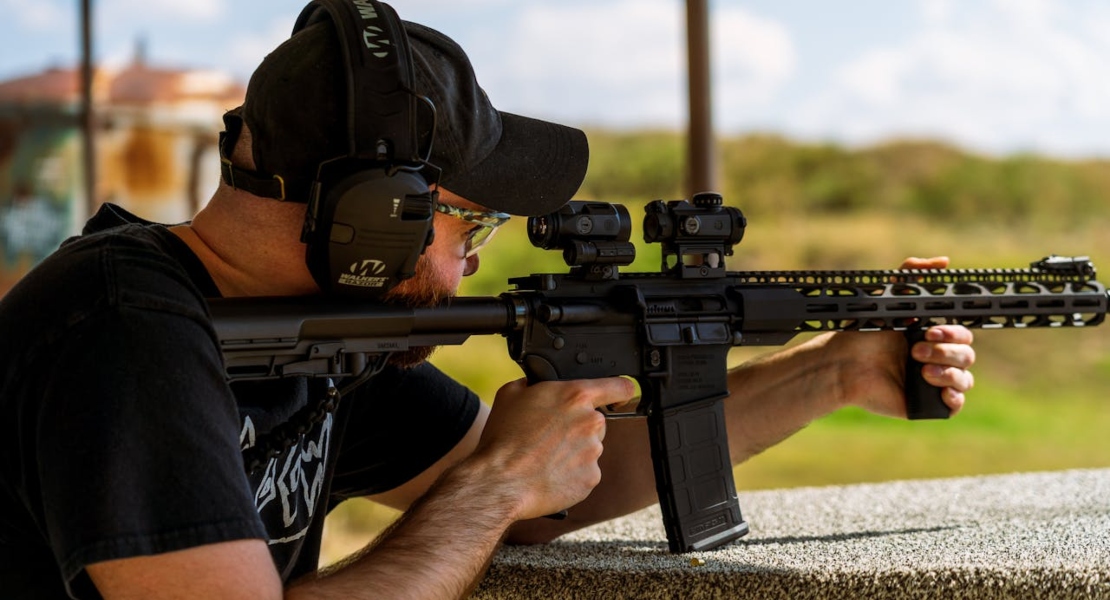
Safety myths are some of the most dangerous because they replace awareness with assumption. One of the most common ideas is that the manual safety means a gun is safe myth. Mechanical safeties are tools, not guarantees. Another frequent belief is that a gun cannot fire unless the trigger is pulled, so accidents are impossible. People also assume that an unloaded firearm is automatically safe or that they will “just know” when a gun is safe to handle. These assumptions show up across platforms and designs, including conversations about AR-15 safety issues, where nuance often gets replaced by oversimplified talking points.
Many safety conversations online focus heavily on equipment instead of behavior. Discussions about accessories and super safety parts often imply that hardware alone can prevent mistakes. In reality, no component replaces consistent handling habits. True safety comes from treating every firearm the same way every time, regardless of design, condition, or features. Safe habits beat assumptions, and consistency matters more than confidence.
Myth Category 2: Home Defense Myths That Sound Simple but Mislead
Home defense advice often sounds confident because it’s framed as obvious. A common myth is that firing a warning shot solves the problem. In reality, that idea ignores legal risk and the unpredictability of real situations. Another popular belief is that the sound of a firearm alone will scare away any threat. Some people assume that more power always equals better protection, or that one setup works for every home layout and family situation.
Real life doesn’t follow scripts. Overconfidence causes more problems than caution. Responsible planning focuses on understanding risks, local laws, and personal limits rather than copying what worked once for someone else.
Myth Category 3: Ammo and Ballistics Myths New Owners Hear Constantly
Ammo myths spread fast because they sound technical without being accurate. New owners often hear that a bigger caliber always means better results, or that all ammo performs the same as long as it fits. Others believe that higher speed always equals more stopping power, or that certain rounds are harmless indoors.
In reality, performance depends on design, context, and environment. No round is magically safe, and no single choice fits every scenario. These new gun owner myths often push people toward extremes instead of thoughtful selection. Keeping things practical and understanding limitations matters far more than chasing numbers or hype.

Myth Category 4: Cleaning and Maintenance Myths That Waste Time (or Cause Neglect)
Maintenance myths tend to swing between obsession and neglect. Some owners believe they must deep clean after every range trip. Others think that if a firearm looks clean, it is clean. There’s also the idea that more oil is always better, or that maintenance doesn’t matter if you don’t shoot often.
Misunderstandings also appear when people talk about internal components. New owners sometimes assume that installing or upgrading an AR-15 FCG kit removes the need for regular inspection or care. Parts still wear, springs still fatigue, and tolerances still matter over time. Reliable firearms come from reasonable care, not rituals or neglect. Balance keeps systems functioning the way they should.
Myth Category 5: “Gun Knowledge” Myths That Confuse New Owners
A surprising number of myths revolve around terminology and assumed expertise. New owners are often hesitant to ask basic questions because they think they should already understand common terms, including questions like does the AR in AR-15 mean assault rifle, which gets repeated incorrectly online. This kind of confusion reinforces the idea that firearm ownership requires insider knowledge rather than steady learning.
Learning is normal and ongoing. Skill fades without practice, and laws, equipment, and best practices change. Competence grows through repetition, honest self-assessment, and responsible guidance. This mindset shift is often the difference between long-term confidence and constant doubt.
Why These Myths Spread So Fast
Stories spread faster than facts. A dramatic experience sticks in memory, even if it’s rare or incomplete. People repeat what worked once as a universal rule. Movies and viral clips compress complex situations into moments that feel realistic but aren’t. Confirmation bias plays a role, too. People often look for answers that match what they already believe, especially when those answers feel reassuring or empowering.
This is how common firearm myths new gun owners believe become accepted wisdom instead of questioned ideas.
How New Gun Owners Can Spot Bad Advice Early
Bad advice often follows predictable patterns. Watching for those patterns helps new owners avoid costly mistakes. Red flags to watch for:
- Absolute statements with no exceptions
- Fear-based claims or miracle solutions
-
Advice framed as “one trick” that solves everything

Better signs of reliable guidance:
- Multiple credible sources agree
- Advice matches basic safety logic
- Context and limitations are clearly explained
Asking simple questions like “Does this depend on the situation?” or “Who benefits from this advice?” goes a long way. Reliable learning often includes structured training, manufacturer guidance, and verified sources. Even discussions about advanced topics like firearm super safety should stay grounded in context, legality, and responsible use rather than hype or shortcuts.
Replace Common Firearm Myths With Habits That Keep You Safe and Confident
Most common firearm myths exist because complex topics are simplified too far. Real ownership isn’t dramatic or flashy. It’s steady, repeatable, and informed. Calm habits beat strong opinions every time. Keep learning, verify information before adopting it, and don’t confuse confidence with competence. Responsible gun ownership looks consistent and thoughtful, not loud or extreme. When myths are replaced with solid habits, confidence grows naturally and safely.
FAQs
What are the most common firearm myths new gun owners believe?
Many new owners believe a firearm is safe just because it has a manual safety or is unloaded. Others assume accidents only happen through obvious mistakes, which leads to false confidence. These myths often come from oversimplified advice shared online or at the range.
How can new gun owners tell if gun advice online is reliable?
Reliable advice avoids absolute claims and explains context instead of promising simple fixes. It usually aligns with basic safety principles and is supported by multiple credible sources. If advice sounds dramatic, fear-driven, or universal, it’s worth questioning.
Does the AR in AR-15 mean assault rifle?
No, it does not. AR stands for ArmaLite, the company that originally developed the platform. The term “assault rifle” has a specific definition that does not apply here.