



How to Safely Store Firearms at Home
Safely storing firearms at home means keeping them locked, controlled, and protected from unauthorized access and environmental damage while maintaining practical access for the owner. Proper storage reduces accidents, theft, and wear without limiting responsible readiness.
Firearm ownership comes with responsibility, not fear. Learning how to safely store firearms at home is about readiness and respect, not paranoia. Many owners assume storage only matters when children are present, but proper storage protects everyone in the household and preserves the firearm itself. Accidents, corrosion, theft, and unauthorized access usually happen during normal routines, not extreme situations. Storage is not a single product or rule. It reflects lifestyle, access needs, and the environment inside the home. When owners think of storage as a mindset rather than a checklist, confidence replaces stress. Thoughtful habits matter more than reacting to worst-case scenarios.
What “Safe Firearm Storage” Actually Means
Safe firearm storage does not mean hiding firearms or treating them as something dangerous by default. It means maintaining control while preventing accidents, unauthorized access, and unnecessary wear. Secure firearm storage at home balances accessibility with protection so the owner always knows where a firearm is and who can reach it.
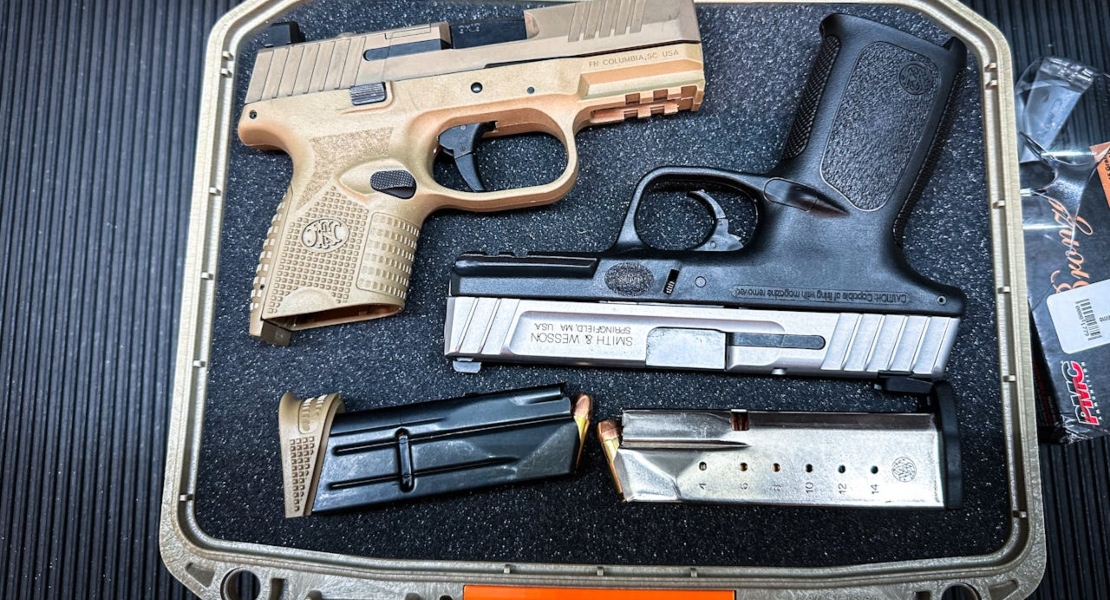
Key principles of proper storage include:
- Preventing access by unauthorized users
- Reducing the risk of accidental discharge
- Protecting firearms from moisture and damage
- Maintaining predictable owner access
Safety applies even in single-adult households. Visitors, service workers, and changing routines introduce variables that deserve consideration. Putting a firearm out of sight does not make it secure. Control comes from intention, not concealment.
Why Firearms Should Be Stored Locked
A common question among owners is simple: Should firearms be stored locked? In most homes, the answer is yes. Locked storage reduces theft, misuse, and accidental handling without removing control from the owner.
Different locking methods serve different needs:
- Mechanical locks offer simplicity and reliability
- Electronic locks provide flexibility with maintenance
- Biometric locks allow fast access with training
Trigger locks can help, but are often insufficient on their own, especially when firearms are stored loaded. Locking does not mean inaccessible. With repetition and familiarity, locked storage becomes a routine rather than a barrier.
Choosing Where to Store Firearms in the Home
Deciding where to store firearms in the home requires realistic thinking about space, traffic, and environment. Bedrooms may offer privacy, but can introduce humidity. Closets reduce visibility but may restrict airflow. Dedicated storage areas improve control, but are not possible for every household.
Avoid storage locations exposed to:
- Excess moisture or heat
- High-traffic household areas
- Unsecured furniture or temporary surfaces
Storage placement should also consider emergency access without creating constant tension. The goal is calm, consistent access rather than rushed decisions under pressure.
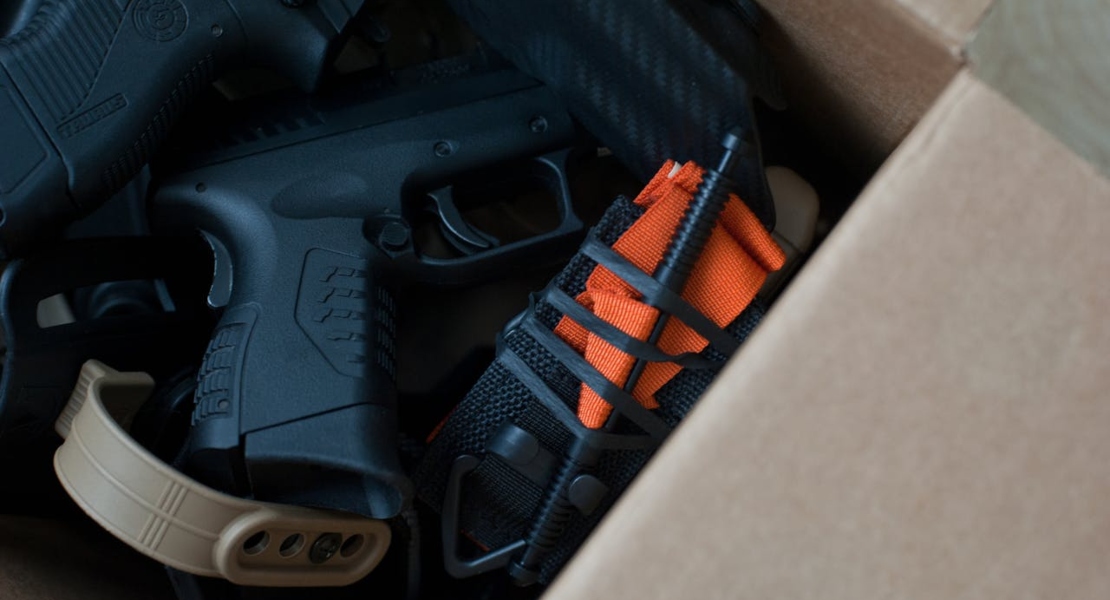
Storage Options – From Simple to More Secure
There is no single answer to the best ways to store guns at home because storage depends on how many firearms you own and how often you access them. Lockboxes work well for minimal setups. Cabinets suit moderate collections. Safes provide long-term protection but require planning and space.
Storage options generally include:
- Lockboxes for quick personal access
- Cabinets for organized multi-firearm storage
- Safes for maximum security and environmental control
Mechanical, keypad, and biometric systems each have strengths. Overbuying can complicate use, while under-securing increases risk. Home firearm storage should evolve as living situations change.
Accessibility vs Safety: Finding the Right Balance
Fast access does not require unsafe storage. Training and consistency matter more than speed alone. Practicing safe access routines builds confidence while maintaining control. Storage decisions should reflect real-world habits rather than idealized scenarios.
Firearms built with components like a mil-spec trigger rely on predictable handling and disciplined storage to remain reliable. Storage systems often need adjustment over time as routines, household members, or priorities change. Flexibility supports safety better than rigid rules.
Storage Considerations in Homes With Children
Understanding how to store firearms safely with children requires planning beyond simple locks. Children are curious, persistent, and observant. Storage must account for both physical access and learned behavior over time.
Effective child-focused storage includes:
- Locked storage that cannot be bypassed
- Separate ammunition storage when possible
- Consistent education as children mature
Safe habits protect children without creating fear. Storage decisions should evolve as children grow and gain awareness. Responsibility grows alongside access.
Avoiding Trend-Driven Storage Mistakes
Marketing language can distract from fundamentals. Claims around super safety features may imply protection without addressing real storage habits. No accessory replaces responsible daily practices.
Similarly, add-ons promoted as super safety parts still depend on how and where firearms are stored between uses. Hardware cannot compensate for unsecured placement or inconsistent routines.
Platforms described as the best beginner AR-15 often focus on usability, not storage responsibility. Regardless of experience level, every firearm requires the same thoughtful approach when it is not in use.
Safe Storage Protects People and Ownership
To safely store firearms at home is to treat ownership as an ongoing responsibility rather than a one-time decision. Secure storage reduces risk without reducing readiness. It protects people, preserves firearms, and supports long-term reliability. Understanding how to safely store firearms at home replaces uncertainty with control. Thoughtful choices matter more than expensive gear. When storage habits are intentional and informed, firearm ownership becomes calmer, safer, and more sustainable over time.
FAQs
Should firearms always be stored locked at home?
In most homes, yes. Locked storage prevents unauthorized access, reduces accidents, and limits theft. Exceptions may exist for controlled environments with trained adults only, but even then, locking is considered best practice for everyday storage.
What is the safest way to store firearms with children?
The safest approach uses layered security. Firearms should be locked, inaccessible to children, and ideally stored separately from ammunition. Consistent supervision and age-appropriate education reinforce physical security and reduce long-term risk.
Where is the safest place to store firearms in the home?
There is no single safest location. Safety depends on controlled access, low humidity, minimal foot traffic, and secure locking. The best location balances environmental protection with responsible access for the owner.