



The Importance of Dry Fire Practice in Firearms Training
Dry fire practice in firearms training is a method of rehearsing trigger control, sight alignment, and handling without live ammunition. It improves consistency, reduces mechanical errors, and strengthens neural coordination, making controlled performance more reliable during live fire.
Precision never happens by chance. It comes from repetition, focus, and structured effort. Through dry fire practice in firearms training, shooters refine the fundamentals that separate average performance from mastery. Unlike live fire, this discipline relies on controlled simulation rather than recoil or noise. It trains the mind and body to operate in harmony, long before a single round is fired. At Redacted Arms LLC, instructors emphasize that excellence develops through consistency, not volume. Every repetition strengthens familiarity with sight alignment, trigger movement, and visual discipline. Dry fire training builds reliable reflexes, supporting progress for both professionals and beginners.
What Is Dry Fire Practice?
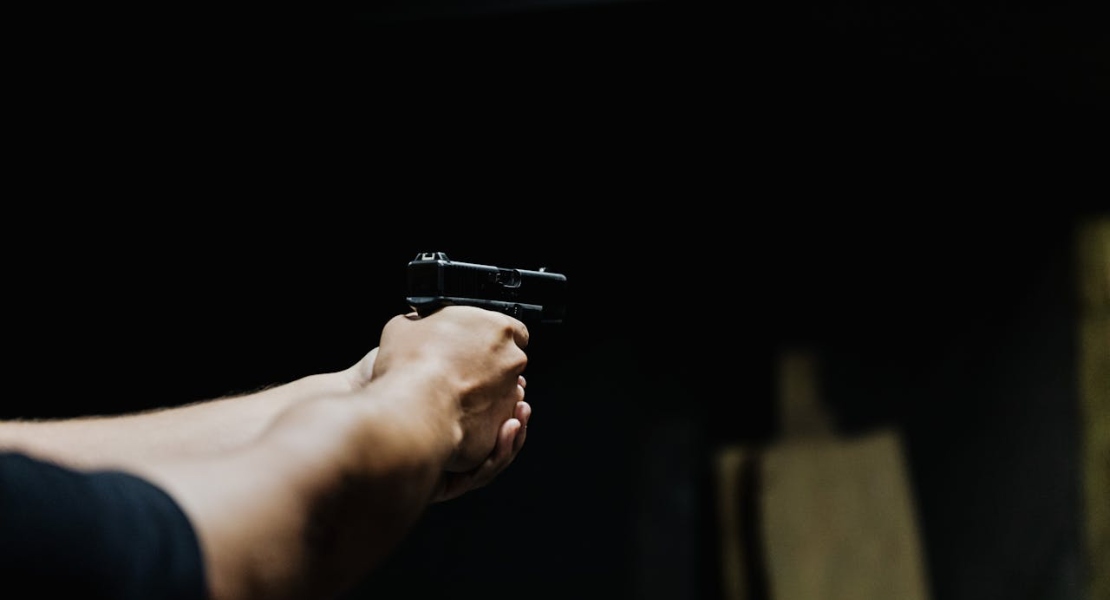
Dry fire practice simulates the firing process without ammunition. It allows the shooter to experience the mechanical movement of a firearm while focusing on the precision of every motion. The firearm’s internal mechanisms engage normally, yet the absence of recoil shifts focus entirely toward control and awareness. Safety defines the foundation of this exercise. The firearm must always be verified clear before any repetition. Training begins only when the environment is secure and distraction-free.
Experienced shooters select a designated area, free of live ammunition, to sustain total concentration and eliminate potential hazards. Unlike live sessions, dry fire relies on visualization. The shooter imagines each phase of the shot cycle – grip pressure, sight picture, and follow-through – creating a mental rehearsal that shapes performance under real conditions.
What Dry Fire Practice Is and Why It Works
Every element of dry fire practice in firearms training targets consistency. Live firing offers feedback through recoil and report, but it also masks subtle errors. Without the interference of sound or motion, flaws become visible. A slight anticipation of recoil or uneven finger pressure immediately appears. This isolation of movement teaches refinement. Each press of the trigger becomes an opportunity to evaluate micro-adjustments.
A structured dry fire routine enhances neural pathways that govern coordination, speed, and balance. Over time, the hands and eyes respond automatically, reducing hesitation during live engagement. Safety protocols remain central. Every session begins and ends with an inspection. The firearm, workspace, and surrounding area remain ammunition-free, reinforcing a habit of accountability and respect.
Trigger Reset and Feedback
Without recoil, the shooter relies on sensory awareness to gauge reset and follow-through. Every press reveals how finger position and pressure influence timing. The ability to detect reset through tactile feedback strengthens reaction speed when live firing resumes.
Some mechanical systems lack a pronounced reset feel, making feedback subtle. This subtlety challenges discipline, demanding deeper sensitivity to internal mechanisms. While this can frustrate beginners, experienced practitioners view it as advanced sensory training. Detecting reset without vibration cultivates heightened awareness – a vital asset in precision shooting.
Skills to be developed during your dry fire practice in firearms training
Dry repetition trains both mechanics and mentality. The absence of live rounds focuses attention on detail rather than reaction. Through consistent sessions, shooters develop several interconnected skills:
- Trigger control: steady, predictable pressure without disturbance to the sight picture.
- Sight alignment: maintaining visual focus during movement and recoil simulation.
- Grip discipline: learning how pressure distribution affects muzzle control.
- Presentation: refining how the firearm rises into the line of sight.
- Mental focus: developing clarity and calmness through repetition.
Equipment Considerations for Dry Fire Practice
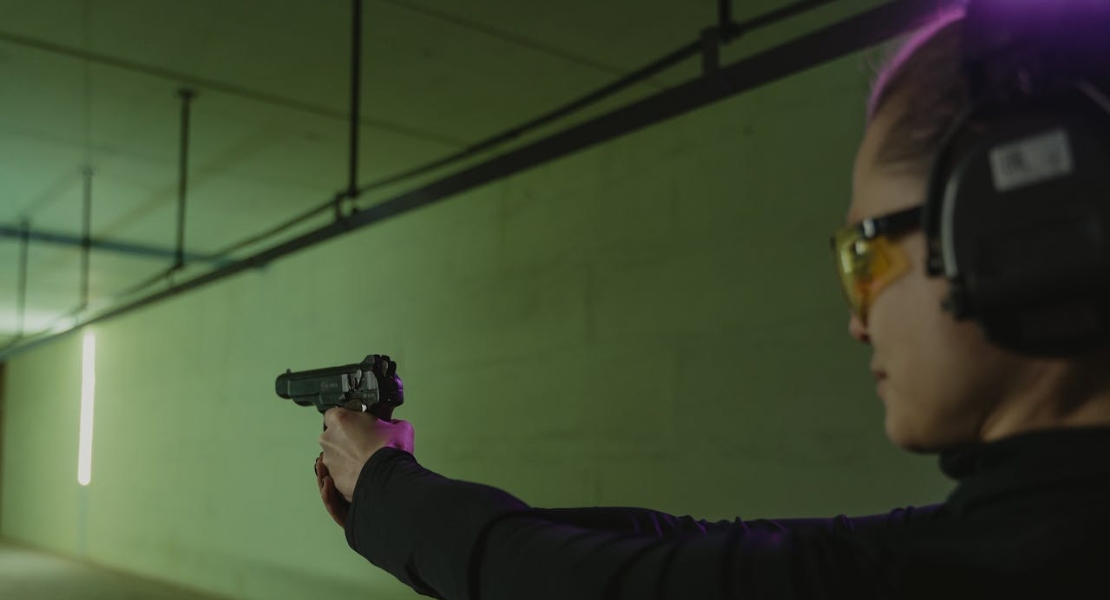
Effective training doesn’t depend on high-cost tools. However, specialized mechanisms can simulate realistic feedback and maintain mechanical health during repeated sessions. Some shooters use training aids designed to reproduce reset sensation or slide behavior for greater realism.
The category of devices known as Pistol Active Resets provides that feedback without ammunition. Pistol Active Resets offer valuable feedback without the need for ammunition. These devices enhance training by focusing on rhythm, reset feel, and control, supporting overall marksmanship development.
Effective Dry Fire Drills
Dry sessions prioritize awareness over speed. The shooter analyzes every step, aiming for flawless execution rather than volume. Simple exercises like deliberate trigger press drills, sight stability checks, and presentation repetitions reinforce the fundamentals. A well-known example involves aligning the sights against a stationary object and maintaining perfect alignment through the trigger press, much like the techniques used in the TX22 ART.
This process sharpens both muscle control and visual endurance. Repeated draw-to-presentation movements strengthen holster discipline and visual acquisition. Each exercise trains control under calm conditions, so precision remains under pressure. Practiced correctly, dry sessions transform into mental conditioning, teaching patience, timing, and breathing regulation – attributes essential to high-level marksmanship.
Common Dry Fire Mistakes
Dry practice becomes ineffective when performed carelessly. Rushing through repetitions diminishes control and introduces errors that later become habits. Overconfidence often replaces structure, leading to stagnation. Ignoring feedback is another misstep. Every click represents an opportunity to analyze motion, grip tension, or sight drift. Neglecting that reflection removes the purpose of the exercise.
Consistency matters more than duration. Ten precise repetitions teach more than a hundred unfocused ones. Practitioners who train without intent often develop mechanical movement but lose awareness – a mistake that later costs performance quality.
Integrating Dry Fire Into Regular Training
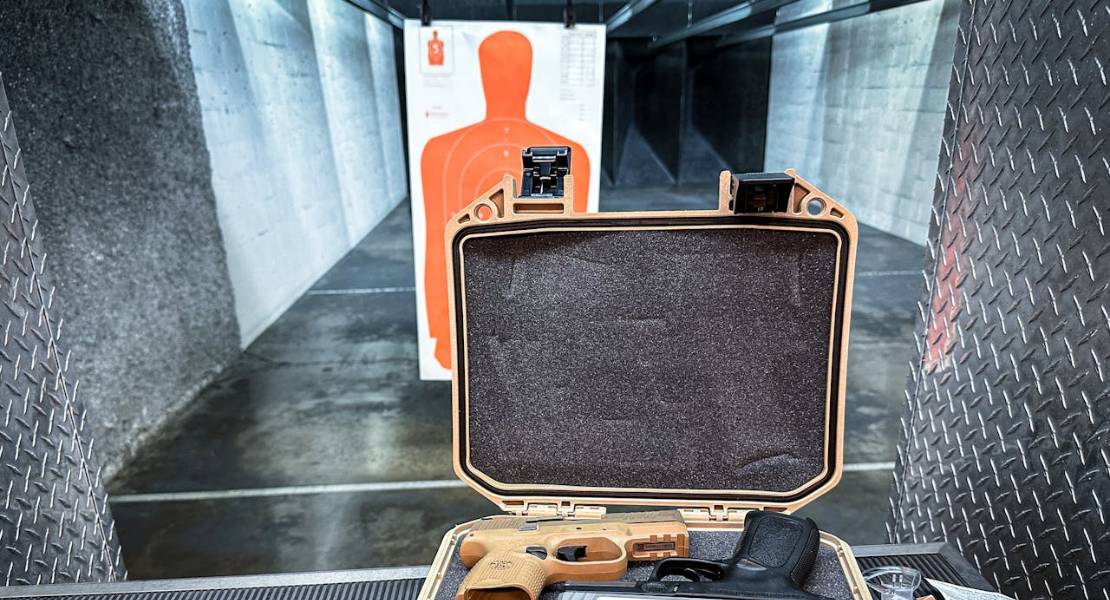
The value of dry practice lies in its balance with live training. Regular dry sessions between range visits help maintain neural precision and control. Frequency depends on experience and schedule, but even brief daily sessions reinforce habits. Integration requires structure. Shooters plan alternating weeks of live and dry sessions, focusing on specific fundamentals each time.
For formal guidance, safety updates, and instructional resources, trainees should review materials from recognized institutions, such as training resources from the FBI. These agencies emphasize the same core principle – discipline in preparation leads to control in execution.
This discipline also supports broader community safety. Responsible practitioners model correct habits, influence peers, and promote accountability within the training environment. Through consistency and transparency, dry practice contributes to a stronger safety culture across the industry.
Applying Dry Fire Practice to Real Performance
Consistency defines mastery. Through disciplined repetition and unwavering focus, shooters cultivate both control and awareness. Dry fire practice in firearms training transforms isolated skills into reflexive precision. When paired with live sessions, it builds confidence and reliability under any condition. Every repetition shapes judgment, steadiness, and respect for the craft. Balance dry work with live range time to confirm what translates, correct what doesn’t, and keep progress measurable. Keep training intentional, keep standards high, and let steady practice carry the results.
FAQs
What is dry fire practice in firearms training?
Dry fire practice in firearms training involves safely simulating the firing process without ammunition to improve trigger control, sight alignment, grip stability, and mechanical consistency through repeated, controlled movements.
Can dry fire practice improve shooting accuracy?
Yes. When performed correctly and consistently, dry fire practice helps reinforce correct mechanics, reduce anticipation errors, and improve control, which can translate into better accuracy during live fire, depending on training quality and follow-through.
Why does dry fire practice improve firearm control?
Dry fire practice removes recoil and noise, allowing the shooter to focus entirely on movement and timing. This isolation exposes small errors and strengthens neural pathways responsible for coordination, precision, and repeatable motor control.