


How to Tell If a Used Lower Will Run a Super Safety
A used lower can run a super safety if the shelf is mil-spec, the selector bore and detent hole are undamaged, the pin holes aren't worn, the pocket walls are clean and there are no prior modifications. Most checks take a selector, standard pins and a flashlight. A third pin hole above the selector is a reason to walk away.
A used lower can run a super safety if five things check out: the shelf type, an undamaged selector bore and detent hole, trigger and hammer pin holes that aren’t worn, no prior modifications, and clean fire control pocket walls. Most of that can be checked on the bench with a selector, a set of standard pins and a flashlight. Redacted Arms designs its AR-15 super safety around mil-spec fire control dimensions, so the question with any used lower super safety build is simple: does this receiver still match that baseline after someone else’s build and round count? A used lower is only a bargain if its geometry is still in spec.
| Check | How to test | Good sign | Warning sign |
|---|---|---|---|
| Shelf type | Look at the rear of the fire control pocket | Raised mil-spec ledge | Deep M16 cut or no shelf (needs extra evaluation) |
| Selector bore | Insert a selector and rotate it through every position | Smooth rotation, no side play | Ovaling, burrs, wobble or tight spots |
| Detent hole | Install the detent and spring, then cycle the selector | Positive click at each position | Mushy positions or a wallowed channel |
| Trigger and hammer pin holes | Insert standard pins without the parts | Snug, even fit on both sides | Pins that slide out or wobble; egg-shaped holes |
| Pocket walls | Inspect with a flashlight | Clean machining, no gouges | Tool marks, filing or enlarged areas |
| Buffer tube threads and retainer hole | Thread a receiver extension by hand | Smooth engagement, intact retainer hole | Cross-threading, stripped threads, a damaged retainer bore |
| Prior modifications | Check for extra holes and reshaped areas | Factory geometry | A third pin hole above the selector or a filed shelf |
| Finish wear | Look at high-contact areas | Even wear on the outside | Bright wear marks inside the pocket where parts rubbed |
Why Does Condition Matter for a Used Lower Super Safety Build?
A standard trigger group only needs the hammer and trigger pins in the right place. The super safety adds a cam that rotates with the selector and a lever that interacts with the bolt carrier. That cam needs consistent clearance through its full travel and a selector that indexes cleanly into each position.
Wear that a mil-spec trigger ignores can show up as inconsistent reset on a super safety build. A slightly ovaled selector bore lets the cam shift. A worn detent channel makes positions vague. The mechanism itself is explained in how the super safety cam and lever work, and every check below protects one of those contact points.
What Shelf Does the Lower Have?
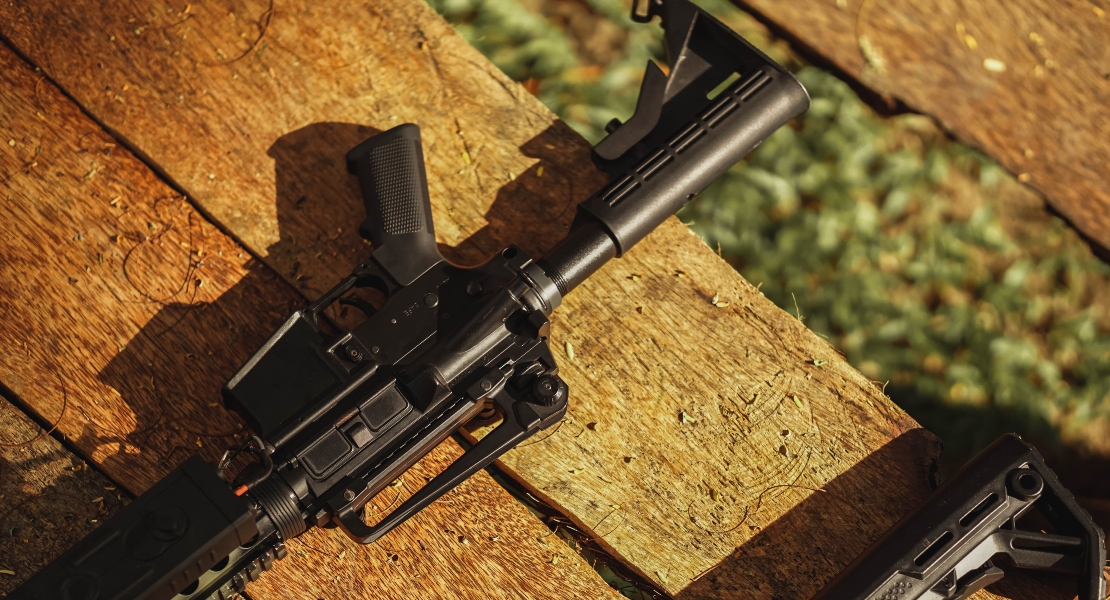
Shelf type is the first consideration because it affects how the components fit together. Mil-spec, M16, and no-shelf lowers have different internal geometries, making AR-15 lower shelf types and super safety compatibility relevant when evaluating differences between receiver designs.
On a used lower, also look for signs that the shelf was altered. A shelf that looks filed, uneven or freshly machined is a reason to stop and ask questions.
How Do You Check the Selector Bore and Detent Hole?
Strip the lower down to the bare receiver, then insert a selector and rotate it slowly through every position. It should turn smoothly with no side-to-side play. Shine a light into both sides of the bore and look for ovaling, burrs or bright wear on one side only.
Next, install the detent and spring and cycle the selector again. Each position should click in positively. If positions feel soft or the selector stops between them, check the detent channel for wear or damage. A worn channel won’t hold the cam’s position consistently, which affects indexing and reset timing.
Are the Pin Holes Still in Spec?
Insert standard trigger and hammer pins without the parts installed. They should fit snugly and evenly on both sides of the receiver. Pins that slide out under their own weight, or that wobble in the hole, point to wear.
Walking pins over a long service life can egg out the holes. Anti-walk pins aren’t a problem by themselves, but remove them and check the holes underneath, since they’re sometimes used to hide a loose fit. Look at the holes from the outside too: a ring of bright metal or a slightly oval outline is a wear sign.
Which Prior Modifications Should Make You Walk Away?
Some lowers come with a history. These are the signs that mean the receiver isn’t a good candidate:
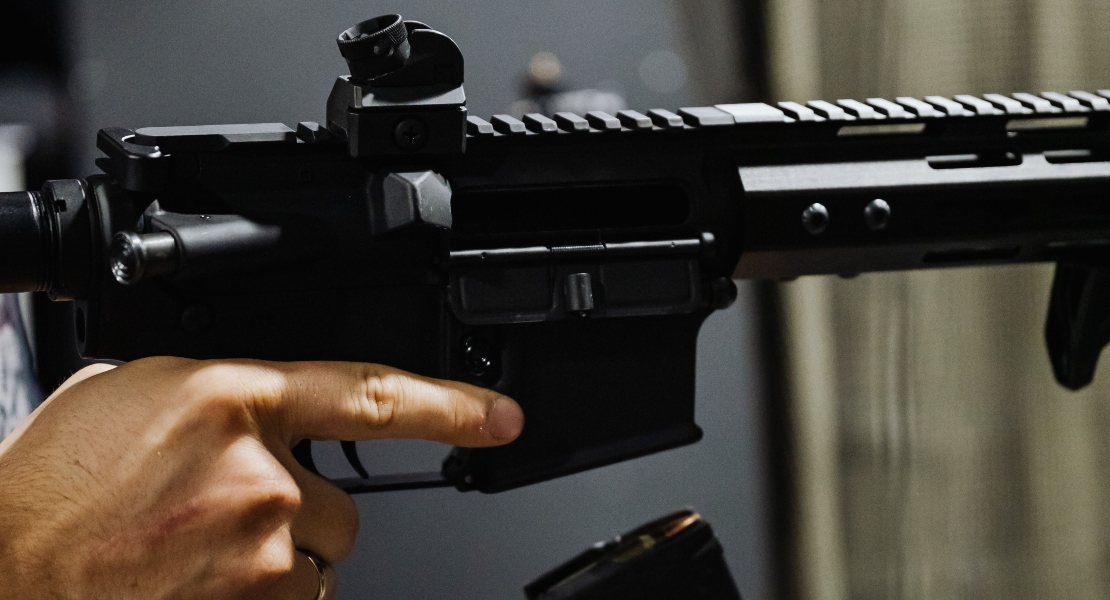
- A third pin hole above the selector hole. That’s where an M16 auto sear pin goes. On a receiver that isn’t a registered machine gun, it is a serious legal red flag. Don’t take possession of it.
- A filed or reshaped shelf, which changes cam clearance unpredictably
- An enlarged fire control pocket or gouged pocket walls from forced installs
- A damaged buffer retainer hole or stripped receiver extension threads
- Drilled, reshaped or welded areas anywhere near the fire control group
The line between a legal upgrade and an illegal one is covered in more detail in legal vs illegal firearm modifications.
How Do You Test-Fit Before You Commit?
If the lower passes the bench checks, test it with parts before you rely on it:
- Install the selector and detent, and confirm each position indexes cleanly.
- Fit the fire control group and the super safety following the installation steps.
- Run a full function check with the upper installed and the rifle unloaded.
- Test with live fire, starting slow before moving to faster strings.
The AR-15 super safety installation process involves several considerations, including compatibility with different AR-15 trigger groups. A successful initial check does not establish how a firearm will behave during live fire, which is why understanding the limitations of a function check matters when evaluating firearm safety.
What About a Used MP5 AR-FCG Lower?
The MP5 super safety requires an AR-FCG lower, and used ones need a different inspection. Ejector lever wobble is the most reported MP5 lower issue, and on full polymer designs it often develops over round count rather than at installation. That makes it more likely on a used lower than a new one. Hold the ejector lever and confirm zero side-to-side movement with free vertical movement.
Then look at the housing. A polymer housing that has loosened with use can flex and contribute to inconsistent operation that looks like a parts problem. Steel-reinforced housings generally offer greater rigidity, which makes housing condition particularly relevant when evaluating a used MP5 lower. Factors such as ejector lever fit, housing rigidity, and internal clearances are also part of what to look for in an MP5 lower.
What Paperwork Does a Used Lower Need?
Under the ATF’s definition of a frame or receiver, the AR-15 lower receiver is generally the regulated firearm component, which is why it carries the serial number. Buying a used lower means a regulated firearm transfer: interstate sales generally go through a licensed dealer, while private sales within a state must follow applicable state and federal laws. Confirm the serial number is present and legible before you buy.
Check your state’s law. This is not legal advice.
What a Good Used Lower Looks Like
A used lower super safety build starts with a receiver that still matches the mil-spec baseline. The short pass list: a mil-spec shelf, a selector that rotates without play, positive detent clicks, snug pin holes, clean pocket walls, intact threads and no extra holes. If any of those fail, the lower may still work for a standard trigger, but it isn’t the right host for a reset system. When it passes, fit the parts, run the function check and confirm with live fire before trusting it.
FAQs
Will a used AR-15 lower work with a super safety?
It can, if the receiver still matches mil-spec fire control dimensions. Check the shelf type, the selector bore and detent hole, the trigger and hammer pin holes, the pocket walls and the receiver extension threads, and confirm there are no prior modifications before installing a super safety.
What lower shelf type works best with a super safety?
A mil-spec shelf gives the most predictable cam clearance. An M16 shelf is cut deeper and can cause cam over-travel, and a no-shelf lower removes the cam's reference point, so both need extra evaluation before a super safety build.
How do I know if the pin holes on a lower are worn?
Insert standard trigger and hammer pins without the parts installed. They should fit snugly and evenly on both sides. Pins that slide out under their own weight, wobble, or sit in egg-shaped holes with bright wear rings indicate worn pin holes.
What modifications should I look for on a used lower?
Look for a third pin hole above the selector, a filed or reshaped shelf, an enlarged or gouged fire control pocket, damaged buffer retainer holes and stripped receiver extension threads. A third pin hole is an auto sear location and a serious legal red flag.
Can I install the safety selector before installing the FCG?
Yes. Installing the selector and detent on a bare lower is the best way to check a used receiver, because you can feel bore play and detent clicks without the trigger group in the way. Fit the fire control group afterward and run a function check.
Do I need an FFL to buy a used lower receiver?
The lower receiver is the serialized part federal law treats as the firearm. Interstate transfers go through a licensed dealer, and private sales within a state follow that state's laws. Check your state's law before buying. This is not legal advice.