



How the AK Became a Civilian Platform
The AK's transition from a Soviet military rifle to a widely owned civilian firearm in the United States happened over several decades. Cold War surplus imports during the 1980s introduced affordable AK-pattern rifles to American buyers, while later import restrictions reshaped the market and encouraged domestic manufacturing. Today, the AK available to civilian owners is the result of changing laws, compliance requirements, and a growing U.S. firearms industry rather than direct military surplus alone.
The AK is one of the most recognizable firearms in the world, but how the AK became a civilian rifle is a story shaped by military history, international trade, and changing U.S. firearm regulations. While many enthusiasts today customize their rifles with aftermarket upgrades such as a firearm super safety and other accessories, the civilian AK platform did not emerge overnight. Cold War surplus imports, federal import restrictions, and the rise of domestic manufacturing each played a key role in making AK-pattern rifles widely available to American shooters. Understanding that evolution explains why modern civilian AKs often differ from their military counterparts and why today’s market offers such a broad range of compliant models.
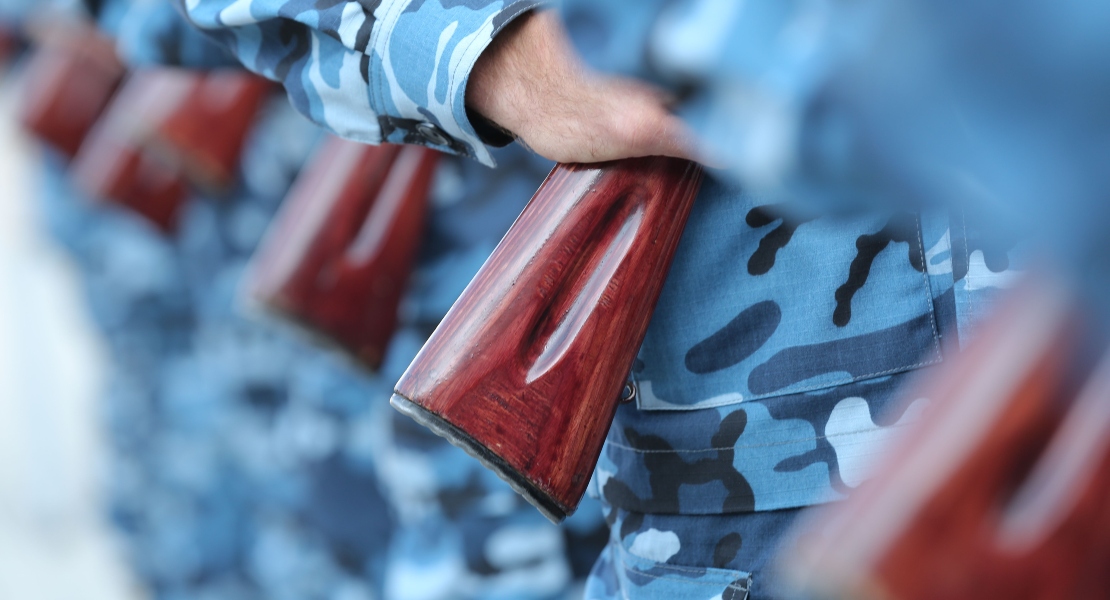
Cold War Surplus and the First Wave of Civilian AKs
The first major step in how the AK became a civilian rifle occurred during the 1980s, when surplus and commercially exported AK-pattern rifles began arriving in the United States. As Cold War tensions eased, several countries with licensed Kalashnikov production sought commercial export opportunities — manufacturers in China, Romania, Egypt, and other nations supplied semi-automatic versions of their military rifles for the American market. These rifles quickly gained attention for their affordable pricing, proven durability, simple operating system, and availability of spare magazines and accessories.
Some of the most recognizable early imports included:
| Model | Origin | Notes |
|---|---|---|
| Norinco AK / MAK-90 | China | Most common early import; MAK-90 introduced thumbhole stock post-1989 to meet import requirements |
| Poly Technologies | China | Higher quality and more expensive than Norinco imports; sought after by collectors |
| Romanian WASR | Romania | Remained available post-restrictions with compliance modifications; still widely sold today |
| Egyptian Maadi | Egypt | Direct military pattern rifle imported before major restrictions took effect |
These firearms closely resembled their military counterparts while operating as semi-automatic rifles that complied with U.S. law. The popularity of these early imports established what would eventually become the AK civilian market — for many American shooters, they provided the first opportunity to own an AK-pattern rifle at a reasonable price before federal restrictions changed the availability picture entirely.
Import Restrictions and How They Reshaped the Market
The biggest turning point in how the AK became a civilian rifle came through changes in federal import policy. In 1989, President George H. W. Bush directed the ATF to restrict the importation of certain military-style semi-automatic rifles that did not meet the federal sporting purposes test established under the Gun Control Act of 1968. Many AK-pattern imports no longer qualified in their original military-style configurations.
Manufacturers quickly adapted by modifying rifles to remain import-compliant:
- Thumbhole stocks replacing separate pistol grips
- Removal of bayonet lugs
- Elimination of threaded barrels
- Fixed or modified muzzle devices
Additional changes followed with the Federal Assault Weapons Ban of 1994, which imposed restrictions on certain firearm features for newly manufactured civilian rifles until the law expired in 2004. Compliance with 18 U.S.C. § 922(r) also became an important factor — this federal law limits the assembly of certain imported semi-automatic rifles using too many foreign-made components, pushing manufacturers and builders toward incorporating U.S.-made parts. Many of the unusual features seen on older imported AKs today are direct results of these regulations rather than design preferences.
Domestic Production and the Modern Civilian AK Market
Import restrictions created an opportunity for American manufacturers to expand production. Rather than relying entirely on imported rifles, companies began producing AK-pattern firearms domestically or assembling them with enough U.S.-made components to satisfy federal regulations. Manufacturers such as Century Arms, Arsenal Inc., Palmetto State Armory, Riley Defense, and Kalashnikov USA introduced American-produced or American-assembled rifles alongside compliant imported models — gradually improving manufacturing consistency, quality control, and parts availability compared to the import era.
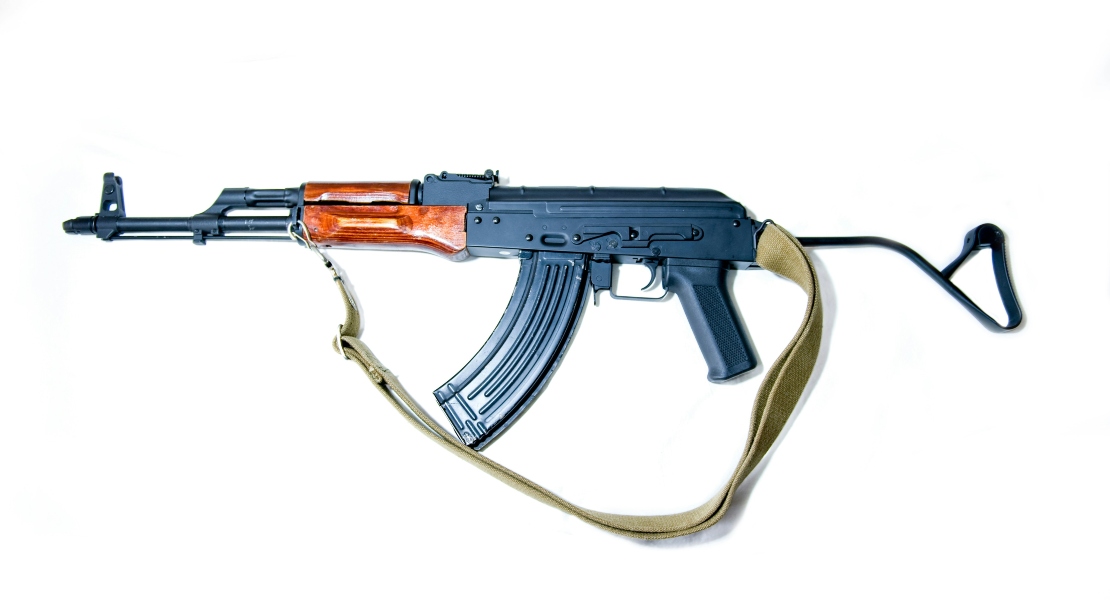
Romanian WASR rifles also became highly recognizable in the American market. While manufactured overseas, they were imported and modified to comply with U.S. regulations before sale. Domestic production fundamentally changed the civilian AK platform available today. Buyers gained access to a civilian AK platform built specifically for the U.S. commercial market rather than relying solely on surplus military exports.
AK-47 vs AK-74 — Which Variants Are Common in the Civilian Market
As domestic manufacturing expanded and imports evolved, shooters gained access to different configurations designed for recreational shooting, competition, collecting, and general sporting use. When comparing AK-47 vs AK-74, both platforms are available to civilian shooters, although the AK-47 and its 7.62×39mm chambering remain far more common in the U.S. market.
The AK-74, chambered in 5.45×39mm, was developed later by the Soviet Union and offers lighter recoil and flatter shooting characteristics. Ammunition availability, magazine compatibility, and manufacturer support often influence which platform buyers choose, with the AK-47 generally offering the widest selection of rifles and aftermarket parts.

A Military Rifle That Found a Civilian Home
The story of how the AK became a civilian rifle is shaped by decades of changing imports, federal regulations, and American manufacturing. What began with Cold War-era surplus rifles evolved through import restrictions and compliance requirements into a diverse market of civilian-ready AK-pattern firearms. Today the AK civilian platform appeals to recreational shooters, competitors, collectors, and firearm enthusiasts who value its history, durability, and the broad aftermarket support that decades of standardization have made possible.
FAQs
When did AK rifles become available to civilians in the US?
Semi-automatic AK-pattern rifles became widely available during the 1980s through imports from countries including China, Romania, and Egypt. Availability changed significantly after the 1989 import restrictions and again following the 1994 Federal Assault Weapons Ban, leading to more domestically produced models.
Why are AK rifles popular in the US?
AK rifles earned a reputation for reliability, simple operation, and relatively low maintenance during the surplus import era. Affordable pricing helped establish their popularity, while domestic manufacturers later expanded choices and improved quality, making the platform more widely available than the import era alone could have sustained.
What AK variants are legal in the US?
Legality depends on federal, state, and local laws. Many modern AK-pattern rifles sold in the United States are manufactured domestically or assembled to comply with federal regulations, including applicable 922(r) requirements for imported components where relevant. State-level restrictions vary significantly.
How did import restrictions affect AK availability?
Import restrictions reduced the number of military-style rifles entering the country in their original configurations. Manufacturers responded by modifying imported rifles with compliant features and increasing domestic production, creating the diverse civilian AK market available today.